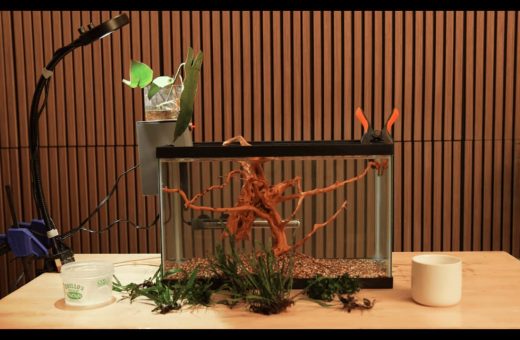
Beginners Aquarium
Best Aquarium Beginner Kit: What You Actually Need
My Standard for a Beginner Aquarium Kit In my opinion, aquarium kits should be judged according to their usefulness rather than the number of accessories advertised in the…

Search Aquarium Guides
Aquarium Keyword
Setting up an aquarium should be an exhilarating experience, not one that causes concern. This beginner aquarium center presents useful guides on setting up your first fish tank, selecting equipment, cycling the aquarium, choosing your fish and plants, keeping the water safe, and creating good caretaking habits. Whether you are looking at setting up a freshwater aquarium for beginners, comparing an aquarium starter kit, setting up a planted aquarium, or finding out about saltwater aquariums, the aim is to know the system and make it agreeable with the species you want to keep.
My Standard for a Beginner Aquarium Kit In my opinion, aquarium kits should be judged according to their usefulness rather than the number of accessories advertised in the…
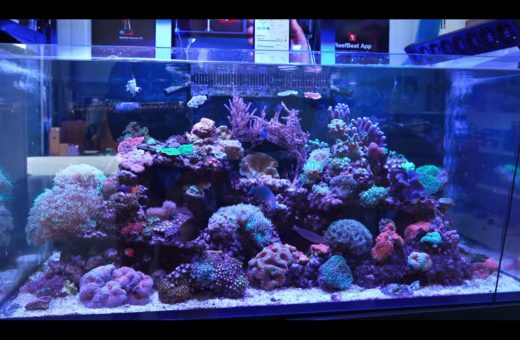
I recommend a fish-only-with-rock or basic reef setup to all first-timers rather than jumping into complicated reef aquariums right away. The general size range for a beginner’s aquarium…
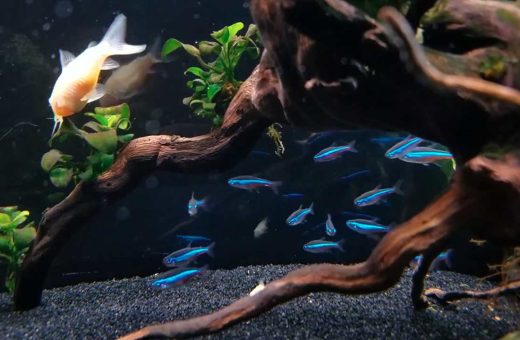
An aquarium for a novice is not just a glass container full of water for me, but a tiny living ecosystem. For a novice aquarist, I usually recommend…
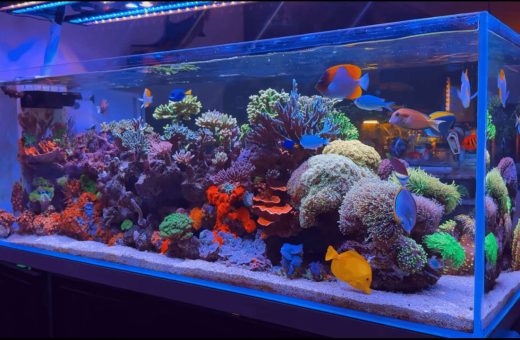
The best corals for beginners have species that allow for making some mistakes during your learning process. They do not require perfect conditions all the time and adapt…
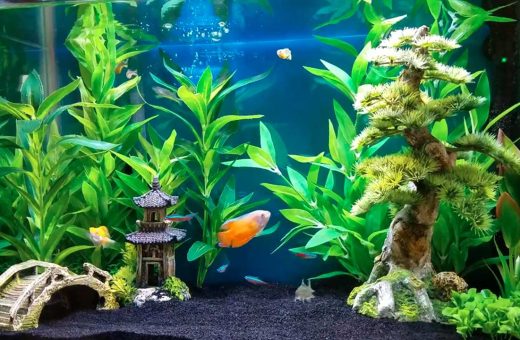
For beginners, Anubias, Java fern, Java moss, Cryptocoryne wendtii, Amazon sword, Vallisneria, hornwort, water wisteria, Bacopa caroliniana, and dwarf sagittaria are excellent plants to use in the first…
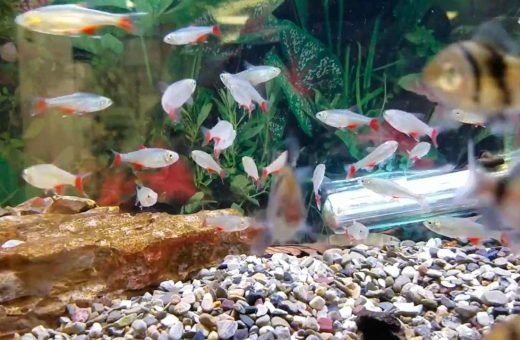
For a novice fish keeper, it is usually better to start with hardy freshwater fish species rather than sensitive species that need specific water conditions. Fish species such…
This article teaches beginners how to set up a new aquarium in the correct order. From selecting a tank to getting the right fish, the guide explains how…
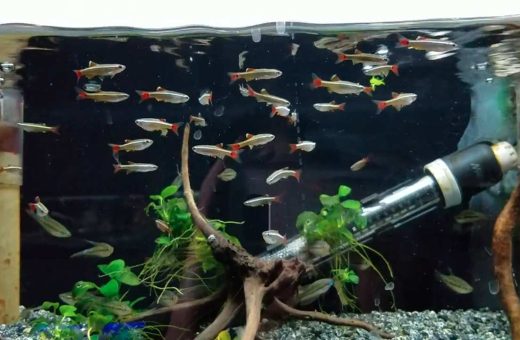
The best fish tank setup for beginners The first aquarium for any beginning aquarist is preferably a 20-gallon freshwater aquarium. It allows better water conditions to develop in…
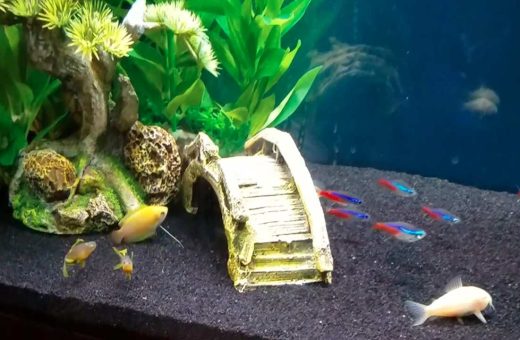
Practical Starting Point for a Five-Gallon Aquarium The most successful 5-gallon fish tank ideas depend on your aim to start a nano tank. You have to select what…
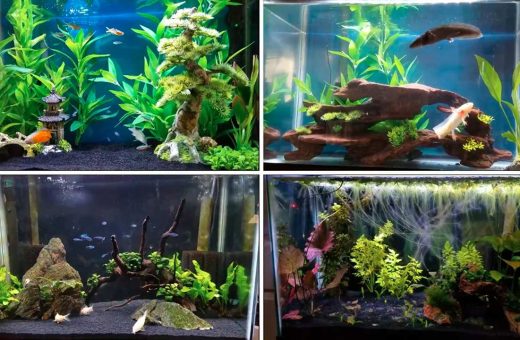
An aquarium’s success does not depend on the number of fish it can accommodate. Healthy aquariums are created with consideration of the shape of the tank, its filtration…
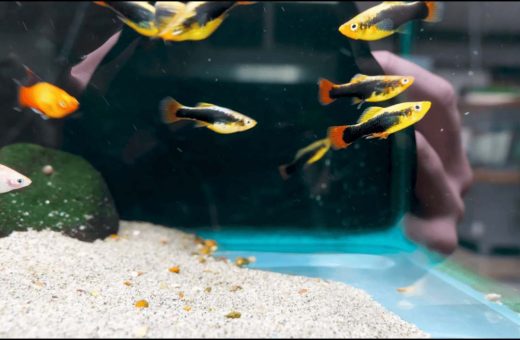
What Makes a Fish Beginner-Friendly A good fish for beginners adapts to the regular changes in the tank without getting too stressed. It does not mean that the…
An effective aquarium setup begins before water even enters the tank. The size of the aquarium and its place, strength of the stand, availability of electricity, and wishes of the fish you intend to keep influence the way you will set up your aquarium. Although a larger aquarium is more tolerant than a small one in terms of temperatures and water chemistry, a full aquarium is also very heavy and needs a strong base.
When buying a beginner fish tank, it is important to first consider factors related to adult fish size, swimming mannerisms, social needs, temperature needs, and compatibility instead of appearance. Investigating livestock first helps you to determine the proper tank size, type of filter, heater, substrate, lighting type, and decorations.
Most people who buy their first fish aquariums purchase the basics: fish tank, aquarium stand, filter, lid, thermometer, light source, substrate, a product for water treatment, and a testing kit for water. Heaters are often required for tropical fish, but some cold-water species require no heater. Having a fish siphon, an algae-cleaning device, a separate bucket, a fish net, and specialized fish food can significantly ease aquarium routine maintenance.
A fish tank beginner kit simplifies shopping, but still, equipment has to meet livestock requirements. Filter power can be too strong for some species, a heater may not be present, and standard lighting is probably not suitable for live plants. It is necessary to regard it as a good starter pack instead of assuming it is everything one needs for fishkeeping.
For novice aquarists, a starter freshwater aquarium can be a pleasant way to get acquainted with filtration, cycling, feeding, water quality assessment, and maintenance. Freshwater aquaria can be easily designed to shape everything from community aquaria to aquaponic aquaria, shrimp aquaria, and multi-species nano aquaria.
When reading tutorials on setting up a freshwater tank for beginners, one should remember that different choices made regarding equipment are all interrelated with the fish caretaking process. For instance, the type of substrate chosen influences the effects of plants and the way an aquarium is going to be cleaned; lighting influences both the growth of plants and water flow rate; décor makes an aquarium producer enclose and give visual separation.
Aquarium fish that are suitable for beginners are not merely the fish indicated as “easy.” A really beginner-friendly fish must suit the conditions of adulthood in a given aquarium, water features, food, and location of a tank. For example, schooling fish usually live in schools, territorial ones require more space, and many popular fish cannot stay in small aquaria for long.
For novices, aquarium plants can provide a more enjoyable aquarium experience. Resilient real plants create a structure, cover, and realistic look in the aquarium, as well as educating first-time owners about the relationship between light, nutrients, substrates, and plant development. Setting up an aquarium with live plants doesn’t require any expert knowledge; only the right plants to fit the light and maintenance level matter.
Beginners’ saltwater aquariums have additional considerations because saltwater features are linked to salinity, specific equipment, the movement of water, and compatibility between the animal species. And in the case of reef aquariums, the tasks are even more challenging: there is the necessity to keep in mind the light, flow, stability, and chemical parameters of water.
Those who want to keep marine fish, invertebrates, or corals should consider their animals’ long-term requirements before setting up the aquarium. Making sure all aspects of setting up a beginner’s saltwater aquarium have been covered is essential, and that all conditions and parameters are stable.
When cycling an aquarium, biological filtration begins so that toxic waste compounds can be processed. The initial stages in a new aquarium are needed until good bacteria can be grown on the surfaces, which may take several weeks and needs to be followed with testing water and not just waiting.
Those who set up their first aquarium need to understand ammonia, nitrite, nitrate, pH, temperature, and water conditioner before thinking of other additives. Tap water is always treated with chlorine and/or chloramine, so it is advisable to treat it with a conditioner before it is put into the aquarium. The usage of fish in the new tank should be gradual so that the biological filter can adapt to the changing amount of waste.
Fish tank maintenance needs consistency. Doing partial water changes, cleaning the substrate, controlling algae, checking equipment, and testing the water regularly can help save a person from minor problems. Handling filter media should also be done carefully to protect the beneficial bacteria from being destroyed in the process.
The act of feeding may have considerable impact on the quality of water in the tank. Leftover food items and extra waste put undue pressure on the system. This is why it is important to establish daily routines that assist with noticing changes in fish behavior, development of plants, clarity of water, temperature, and performance of equipment.
Your first aquarium serves as an entry point into the wonderful world of hobbies that require a collection of skills. The aquarium beginner guides that we provide explore size comparisons and equipment recommendations, starting with cycling learning, selecting types of fish and plants to be used, developing your aquascape, and the right cleaning, as well as providing solutions for troubleshooting problems often faced by novices.
When you develop enough confidence, you can move from simple tanks for beginners you started with to more complex planted aquariums, species-oriented setups, aquariums with shrimps, marine aquariums, and reef systems. The basic knowledge you get, combined with careful decisions, good systematic maintenance, and an appropriate approach to the built environment, will allow you to build the strongest aquarium.
Enter your subscribed email. We will send a 6-digit code to log you in.
New here?
Add your name and email. We will send a verification code before creating your subscriber profile.
Already subscribed?
Profile
Choose what notifications you want to receive from this website.
Your logged-in subscriber comments are connected with your saved profile.
Update your name, profile image, bio, or account status.
No comments yet. After you submit a comment while logged in, it will appear here.