Healthy Fish Begin With a Stable Aquarium
Healthy fish always depend on their environment. Even very strong fish species can become vulnerable in case of sudden water quality changes, insufficient oxygen, too much waste, temperature and other drastic changes, and an overcrowded aquarium. All these factors provoke stress, which lowers natural defense mechanisms and increases the risk of infections in fish.
Regular aquarium maintenance must consist of routine water testing, periodic water substitution, efficient filtering, temperature conditions proper for the species, aeration, and a feeding schedule suitable for fish. Successful aquarium conditions enable good behavior, eating habits, coloration, and health of the fish.
If fish appear to be lethargic, breathe fast, have no appetite, and hide from the tank, it’s time to check water quality. Fish may be sick and could be suffering from an infection; however, the main reason for the disease could lie in an unfavorable environment.
Early Signs of Aquarium Fish Health Problems
Many fish health problems are easier to deal with if the symptoms are detected early. Spend a few minutes watching them at feeding and during the day. Generally speaking, healthy fish conduct normal rapid breathing and show alertness, clear eyes, considerable fin development, and normal swimming behavior.
Signs of trouble encompass the following entities:
- Pale patches, fuzzy marks, too much mucus, sores, reddening, and abnormal growths.
- Damaged fins and tails, cloudy eyes, and unusual scales.
- Gasping for air on the water’s surface or very quick gill movement.
- Flashing and rubbing against solid surfaces.
- Loss of appetite, loss of weight, bloating, or stringy excrement.
- Floating, sinking, rolling, or difficult to maintain balance.
- Isolation and weakness.
There is no single symptom that indicates a single disease. The same signs can be observed in cases caused by parasites, bacterial infections, fungi, improper environmental conditions, accidents, food deficiencies, or dysfunctions. Good aquarium fish disease diagnosis starts from observation, testing the water and taking the water tank’s history into account.
Common Aquarium Fish Diseases and Their Patterns
Ich and Aquarium Parasites
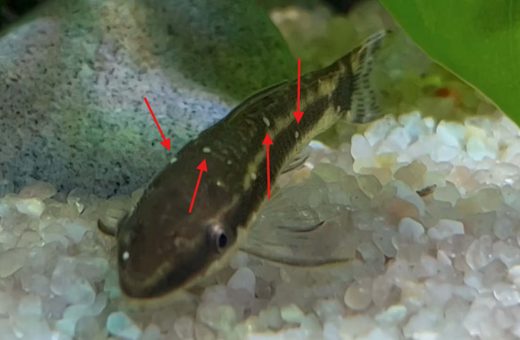
Ich (called white spot disease) is one of the common freshwater aquarium parasitic diseases. It usually causes tiny white spots on the skin and/or fins, while it may also generate flashing, hiding, loss of appetite, or rapid breathing. Other aquarium fish parasites can impact the skin, gills, or digestive tract, causing irritation and mucus secretion, loss of weight, and improper excretion.
The treatment for parasites should be in line with the suspected parasites as well as the specific fish species. Caution must be exercised when determining the cause of the fish’s white manifestations, as bacterial lesions, fungal infections, injuries, and other ailments may have similar appearances.
Fin Rot and Bacterial Infections
Fin rot is most often associated with the injured or degraded fin tissue. Any fraying, color change, redness, ulcers, dull areas, or open wounds in the fin might point to the possibility of bacterial infection in cases where fish undergo stress, such as due to low water quality or physical injuries.
One of the key ways of treating fish diseases involves improving water conditions. Sometimes, bacterial conditions may be particularly severe and quick, requiring a diagnostic performed by an expert because various bacterial infections may have the same indicators.
Aquarium Fish Fungus
Fish aquarium fungus is characterized by a white/gray fluffy patch on damaged skin, fins, eggs, or wounds. Real cases of fungus occur after the fish has been wounded, thus being a secondary problem. The cotton appearance should not be associated only with fungus because it can be a sign of some bacterial diseases.
Correct identification of the exact disease is important in selecting an antifungal treatment for fish. This would also help in observing diseased fish separately so that healthy tank mates do not suffer from unnecessary medication.
Dropsy and Swim Bladder Problems
Dropsy means accumulation of fluid rather than a single disease. A swollen body, visible scales, less appetite, or inactivity can be indicative of a serious problem within the fish. Swim bladder disease can impair fish buoyancy, making it float, sink, tilt, or struggle to hold on to the right position in the water.
There can be numerous factors consequently affecting a fish’s health. The key factors to concentrate on are good water parameters.
A Safer Approach to Aquarium Fish Disease Treatment
Upon noticing something wrong with a fish, test the tank water; check the temperature, the filtration, and aeration systems; and think about possible aggression and trauma. One may consider taking pictures or short videos of the sick fish for a more accurate diagnosis.
Utilize fish medicine from the aquarium only when the specific illness and instructions are known. Avoid the temptation of mixing medications or trying to guess dosages. Some treatments may harm delicate fish, invertebrates, or plants or destroy biological filtration.
If there are signs of serious respiratory distress, an outbreak of ulcers, unusual deaths, symptoms that keep persisting, or if valuable fish are in distress, consult with a veterinarian knowledgeable about aquatic patients.
Quarantine and Fish Disease Prevention
Quarantine is one of the best actions taken to prevent the spread of disease in the aquarium. By using a separate tank, it is possible to assess a new fish before it is released into the aquarium. Quarantine tanks can also serve as a place to keep sick fish and monitor their progress.
Use separate equipment for the quarantine tank if at all possible. When cleaning shared equipment, be sure to clean everything thoroughly. Long-term prevention of diseases also requires sensible tank stocking, careful choice of suiting tank mates, healthy feeding, routine maintenance, and stable water parameters.
Long-Term Fish Health Through Daily Observation
Effective aquarium fish disease treatment typically starts before medication is subsequently utilized. Familiarize yourself with normal tendencies in your tank, maintain the water conditions stably, and introduce new fish cautiously.
A range of resources provided in this category consists of useful guides on various problems, such as diseases of aquarium fish, parasites and fungi, fin rot, ich, dropsy, swimming bladder diseases, bacterial infections of fish, quarantining fish, and taking preventive measures to avoid the problems mentioned in regard to fish health. Each guide may be used as a part of a wider approach toward maintaining the health of sick fish and includes observation, proper diagnosis, and effective treatment of the fish in question.

No comments yet. After you submit a comment while logged in, it will appear here.