Build the Tank Around the Fish You Want to Keep
The basic steps for setting up an aquarium for beginners already start before you start buying aquariums. First, consider what type of fish, shrimp, snails, or live plants you would like and find out their adult sizes, social behaviors, temperature requirements, water needs, and space needed for them from birth until adulthood. That will allow you to avoid one of the most common mistakes made by beginners—purchasing too small an aquarium.
For novice fishkeepers, managing a moderately-sized freshwater aquarium can be more convenient than managing a very small aquarium due to the larger water volume taking longer to change. It is important to place the aquarium on a sturdy flat surface away from sunlight, vents, drafts, and foot traffic. Also, make sure there is enough space for the filter, wires, top cover, and access for maintenance.
Choose Essential Aquarium Equipment First
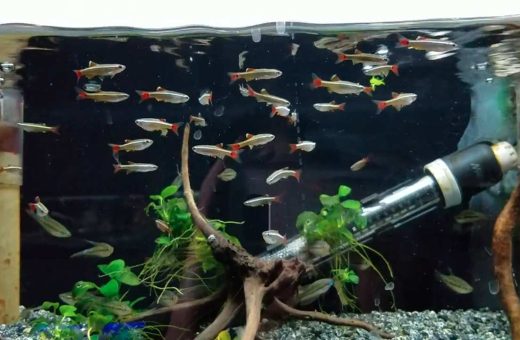
Setting up a basic aquarium for beginners is not about using complicated equipment but rather about using simple but reliable devices for this purpose. The process must begin with choosing the right fish tank and its support; in addition to the heater, one must make sure that the water filter, the secured lid, lighting, water conditioner, and water tests are already obtained. Usually, if one is going to keep tropical fish, he/she will need to buy a special tank heater and thermometer. The presence of a gravel vacuum or a siphon will simplify the maintenance of the tank.
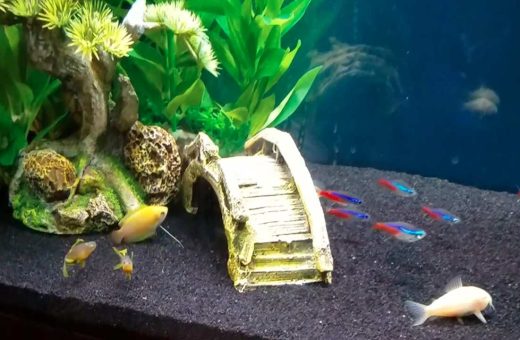
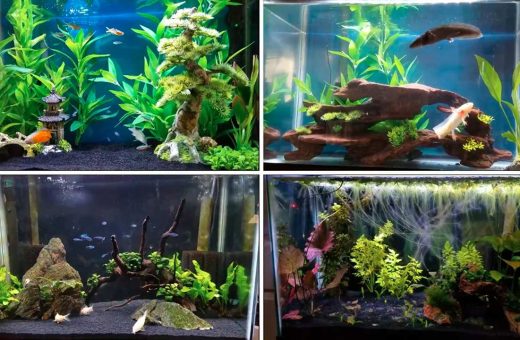
The substrate in the aquarium deployment will depend on the fish and plants you want to introduce. Rocks, driftwood, caves, and other aquarium-safe ornaments will add some flavor. The plants can increase the natural look and vibes of the habitat, while durable synthetic plants have also demonstrated good results in aquarium basics projects.
Set Up the Aquarium in the Right Order
The process of setting up the freshwater aquarium is not hard and can be broken down into the main stages. First, rinse the aquarium, substrate, and aquarium-specific décor in water, not soap. Then, place the aquarium somewhere stable, pour some substrate and hardscape, install the filter and heater according to the instruction manual, and fill the aquarium with water.
Before putting tap water in the aquarium, you should treat it using a special conditioner so that it can become aquarium water. After pouring water into the aquarium, it is time to turn on the filter, heater, and other devices following their instructions.
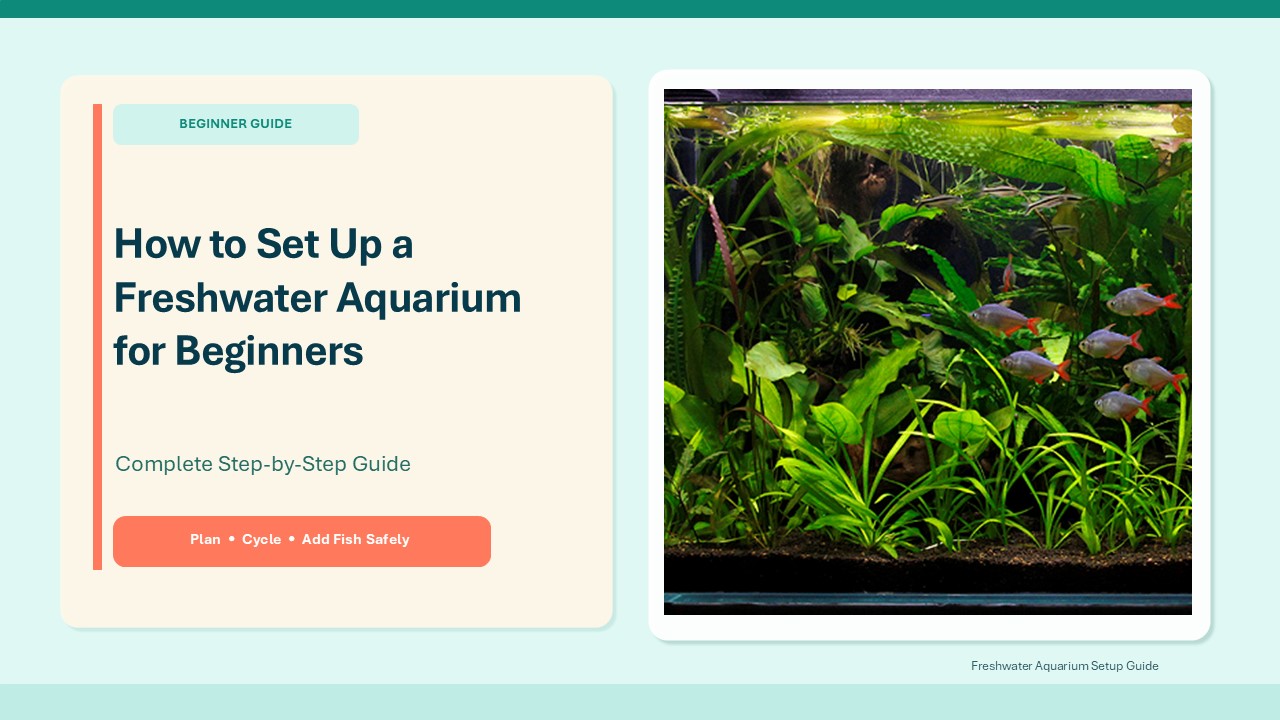
A beginner’s planted aquarium can also incorporate low-maintenance plants and a consistent lighting schedule. When choosing plants, pick them based on the type of light available, the type of substrate used, the water conditions in the aquarium, and how much room you have, not just for visual appeal.
Cycle the Aquarium Before Normal Stocking
Cycling is another important part of the freshwater aquarium setup for beginners. The waste produced by fish, leftover food, and decaying organic matter can release ammonia. An established biological filter has bacteria that convert ammonia into nitrite and then into nitrate. Ammonia and nitrite can be harmful to fish, so a newly established aquarium should be left alone and monitored carefully.
The fishless cycle provides the aquarium filter with a chance to develop without exposing any fish to the increased concentration of ammonia or nitrite. One should regularly measure the levels of ammonia, nitrite, nitrate, and pH as the tank matures. Cycling does not stop when a certain number of days have passed, the water test will tell if the aquarium is ready.
Before the appearance of fish, the concentration of ammonia and nitrite should be zero and the tank should be stable.
Add Beginner Fish Slowly and Match Their Needs
When the fish tank is finished, do not add all the fish in it at once but rather introduce them gradually to allow the biofilter to adjust to the increased waste. When choosing fish, consider their adult size, behavior, required shoals, water temperature, and chemistry and not just their looks.
A good fish tank setup for beginners also means making compatible combinations of fish. Fish that should be kept together in schools must be housed in groups, while territorial fish need space and some benefits from a specific arrangement of fish tanks.
For instance, making a better tank for beginners requires providing warm water, gentle filtration, proper hiding spots, and tight covers. In the same way, a tropical aquarium set up for beginners must also take into account that fish species should live together that have compatible water temperatures, behavior, and environment.
Keep Water Quality Stable With Simple Maintenance
The health of an aquarium depends on consistency rather than cleaning. It is necessary to conduct tests on the water, remove visible debris, and clean algae on the surfaces of the aquarium. Also, it is important to change water according to its quality, number of fish, and other requirements for aquatic life. The water should be prepared for replacement and heated to a temperature close to the water in an aquarium.
It is necessary not to change all the filter media. Some important biological processes occur in the filter media and other parts of the aquarium. Some filter media can be washed in the water removed from the aquarium instead of changing them on a regular basis.
Food influences the quality of water in aquariums as well. It is necessary to provide adequate food in proper amounts and remove remaining food that has not been eaten. Feeding too much can lead to more waste in the aquarium and therefore deteriorate the water conditions.
Create a Beginner Aquarium That Is Easy to Enjoy
A beginner-friendly aquarium doesn’t have to be the biggest or most expensive one. It just has to be the one that you know how to use and maintain. The most important aspects of setting up an aquarium are keeping things realistic when stocking it, using reliable equipment, providing plenty of swimming and hiding spots, and making sure that testing the water is something that you do regularly.
When you gain experience in this field, you will be able to try beginner planted tank setups as well as shrimp aquariums, species-specific tanks, bigger community tanks, and many advanced aquascaping options. The most important steps are the same regardless of how advanced you are: think ahead of time, prepare the water, set up a biological filter, and stock the aquarium using reasonable aquarium conditions.
Constructing a successful beginner freshwater aquarium setup takes time and patience. You should allow the whole system to mature, pay attention to its inhabitants, and respond to the results of reliable water tests only, rather than using your imagination.

No comments yet. After you submit a comment while logged in, it will appear here.