Aquatic Plants for a Natural Freshwater Aquarium
Live plants do not only decorate the aquarium. While growing, aquatic plants make use of the incoming light, carbon dioxide, and nutrients present in the water and substrate, while their leaves and roots create construction throughout the aquarium. Dense planting offers shelters for timid fish, baby fish, and shrimps, while taller plants can separate open areas and make the fish tank appear deeper.
The basis of successful aquarium planting is compatibility. Consider both the sizes, growth requirements, illumination, anchor roots, and the position of plants. Compact plant types that do not grow too large are ideal for small tanks. However, bigger aquariums will tolerate tall background plants, sword plants, and groups of stem plants.
Live Aquarium Plants for Every Aquascape
Plants are normally categorized according to where they are used. Plants in the foreground help keep the first half of the aquarium less dense. Midground plants act to create volumes around rocks, wood, and details of attraction. Background plants are usually taller and are excellent in creating depth, as well as hiding the equipment placed behind them.
Carpeting types of plants are situated close to the bottom of the tank. These plants may form a green carpet over the substrate. Stem plants are responsible for growing vertically as well as getting tall. On the contrary, rhizome types of plants like Anubias and Java fern are planted on a rock or wood. Floating plants are seen at the surface of the water, assisting in shading.
Easy Aquarium Plants for Beginners
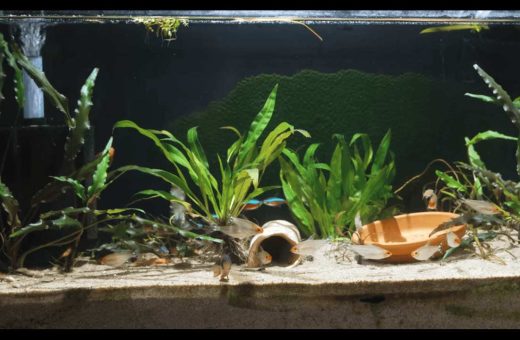
The ideal plants for a beginner aquarium must be tolerant, adaptable, and able to thrive in simple freshwater environments. Some common plants good for beginners are Anubias, Java fern, Cryptocoryne, Amazon sword, Java moss, Vallisneria, Bacopa, hornwort, and water wisteria. This means that plants described as easy and simple may not require the same type of care.
Anubias and java ferns do well in aquariums with rocks or wood because they can attach themselves to these materials and grow well. Cryptocoryne and Amazon sword live in the substrate and absorb nutrients from the soil. The fastest plants will cover the water fast but will require more maintenance than usual in order to keep them attractive and avoid overgrowing.
Low-Light Aquarium Plants for Simple Setups
Aquatic plants that don’t require much light are ideal for aquarists who aim to have a simple planted aquarium with limited lighting and utmost convenience of keeping fish. Many anubias, Java ferns, Cryptocorynes, and even variations of mosses can thrive in tanks as long as basic requirements are ensured. They are perfect for modestly lit aquariums and aquaria that don’t require intensive lighting conditions.
Low light doesn’t equal no light. Despite the name, aquatic plants need proper lighting as well as set lighting patterns to survive. Even if more intense lighting can ensure more rapid growth, it can also raise the need for CO₂ and nutrients in the tank. What is better—used balanced lighting or the brightest possible?
Substrate and Planting Methods That Support Growth
Understanding the growth process of particular plants is the main aspect of how to plant aquarium plants in a fish tank. Root-feeding plants must be placed firmly in appropriate substrate without covering up their crown. Stem plants usually have to be pushed into the substrate with the appropriate distance for light and water to penetrate. Rhizome plants have to keep their rhizomes above substrate, as they are often attached to rocks or driftwood in a fish tank.
Nutrient-rich planted substrate can create roots, but gravel or sand can also do the work for many plants if the correct nutrition is provided. One should know what substrate is the best one depending on the plants, aquascape, maintenance routine, and the look of the aquarium.
Aquarium Plant Fertilizer, CO₂, and Nutrient Balance
In order for aquarium plants to be healthy, they need to have access to the essential nutrients. Some plants can get the majority of nutrients through the water column, while others that need to eat from their roots benefit from nutrition in the living zone. Different types of plants will require either the use of liquid aquarium plant fertilizer or root tabs depending on their nature and local conditions.
It should be noted that CO₂ supplementation is not mandatory for all freshwater-planting aquariums. Some resilient species can thrive without CO₂, especially in low- to mid-light tanks. More complex plants, which require more CO₂, such as carpeting plants and plants with dense stems and high light requirements, will get great help from CO₂ supplementation since high growth rate increases the needs in carbon and nutrients.
Healthy Growth, Trimming, and Algae Control
Performing gradual changes and regularly observing the aquarium makes caring for the plants easier. The occurrence of yellow leaves, holes in the leaves, weak new growth, melting, or the absence of any growth means that light, fertilizers, depth of planting, conditions of water in the tank, or the plants themselves need correction.
Controlling algae starts with the proper stabilization of all processes. Proper light, careful feeding, and consistent aquarium maintenance result in healthy plant life, which helps to avoid algae formation. Newly set aquariums also need time for stabilization, so it is better to avoid changing more than one of the parameters at once.
Freshwater Aquatic Plant Guides for Better Tank Decisions
Choosing the most appropriate plants for your aquarium depends on the tank itself, the fish you’ll include, the light and substrate you plan to use, and the type of maintenance you want to conduct. Our aquatic plant guides can help you find suitable beginner-species plants, low-light varieties, floating aquatic plants, carpet plants, fast-growing aquarium plant species, and different techniques of planting, fertilizers, CO₂, and common aquatic plant problems.
A properly designed aquarium will help you create a wonderful outdoor paradise without overwhelming you with complicated tech. Taking into consideration only the easiest care plant species, their optimal growth will be possible due to sustaining ideal conditions.

No comments yet. After you submit a comment while logged in, it will appear here.