Aquarium Fish Diseases and Treatment Essentials
Proper treatment begins with identifying the problem correctly. The symptoms that indicate ich or other diseases are often similar and include stunted fins, poor appetite, inactivity, abnormal breath rate, hiding in different places, fast swimming, changes in the color of the fish, abnormal swimming, and any visible damage to the skin or fins of fish. The occurrence of one symptom proves nothing, and thus one should compare the fish’s behavior and conditions in the fish tank before starting treatment.
Water quality is something that requires urgent attention. Exposure to ammonia or nitrites, varying temperatures, inappropriate pH levels, inadequate oxygen, overcrowding, excessive waste, and sudden changes in the surroundings can put stress on the fish and lead to the emergence or aggravation of diseases. Correcting the surroundings is typically part of the treatment process and not a separate procedure.
Common Aquarium Fish Diseases and Visible Signs
Ich and White Spot Disease
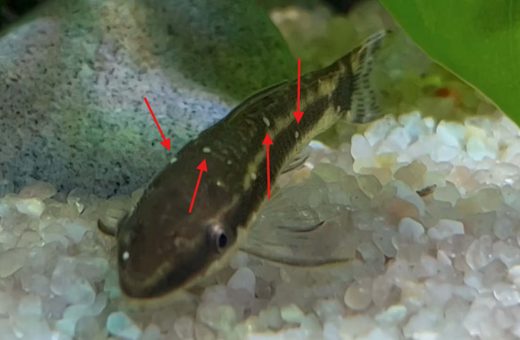
Freshwater ich is an infection caused by a parasite that produces tiny white dots on the fish’s body or fins that look like grains of salt. When infected, fish may exhibit symptoms like flashing and fin clamping and may breathe fast, hide, or lose appetite. One important thing is to take into consideration the life cycle of the parasites when choosing the medications that will be effective against the parasite’s different stages. Be sure to follow the instructions on the label, work out the real volume of water in your tank, provide proper aeration, and complete the whole treatment even if you don’t see white dots anymore.
Fin Rot and Bacterial Problems
Fin rot usually manifests itself as ragged, stripped, chipped, or irritated edges on fins. Physical trauma, fin biting, stressful conditions, and unsuitable water quality may open up opportunities for the development of the disease, so treating aquarium fish fin rot should begin with a careful investigation of water quality and the fish environment. Remove obvious sources of stress and monitor the progress of the damage. If there is a need for medication, it is preferable to use a medication suitable for the suspected condition rather than apply various medicines for no particular reason.
Fungal-Looking Growths and Skin Lesions
White, gray, or cotton-like growths on the surface of fish indicate a fungus or water mold infection; however, the appearance of the fish may be deceiving, as there are also bacteria infections with similar visible features. Therefore, using aquarium fish fungus treatment relies more on the overall pattern of symptoms, as well as water quality and other factors. Decomposing tissues, wounds, lack of sanitation, and decomposing organic matter may create ideal conditions for secondary infections.
External and Internal Parasites
Aquarium fish parasites can impact fish skin, gills, digestive tract, and general health. Symptoms of aquarium fish parasites include restlessness, mucus production, fast breathing, loss of weight, presence of worms or lice, abnormal feces, and belly sinking. How to cure aquarium fish parasites depends on particular parasites causing problems; not every medicament can be used in all situations. Instead of proceeding with treatment, it’s better to make use of quarantine or a hospital aquarium.
Dropsy, Swelling, and Swim Bladder Signs
Dropsy is a syndrome rather than a disease. When the body of your fish is swollen and its scales are sticking out, the fish is lethargic, or it suffers from a lack of appetite, it may indicate that the fish suffers from a serious internal problem due to various reasons. Symptoms of swim bladder problems include floating, sinking, leaning, and difficulty keeping upright, but many other conditions can also lead to some buoyancy problems. Symptoms that we noted above require you to pay attention and control water parameters very carefully instead of giving automated treatment using some medication.
Water Quality and Common Disease Triggers
A number of freshwater fish diseases become harder to treat when fish are under environmental stress. Make sure you measure ammonia and nitrite levels as well as test for nitrite, nitrate, pH, and temperature. Ensure proper filtration and surface movement are taking place in relation to the species and stocking density. In addition, keep in mind if anything new has changed, such as additional fish, filter problems, overfeeding, or missed maintenance aspects.
A too high level of ammonia and nitrite requires urgent attention. Nitrate level must also be regulated through the right stocking, feeding regimes, and water changes. Stability of conditions is very important, because even a couple of fluctuations can be stressful for fish.
Hospital Tanks, Quarantine, and Medication Safety
Having a separate quarantine tank minimizes the risk of infectious diseases occurring with the introduction of new fish and can be used as a hospital tank if regards are necessary. Try to work with separate nets, siphons, and equipment in order to minimize cross-contamination. New fish can be infected with a pathogen long before it shows any signs. Therefore, having a quarantine routine in place is crucial.
Select a correct medication based on the identified disease and species. Read the labels thoroughly, verify the volume of the aquarium, check species compatibility and the filtration system, and ensure good oxygenation if medication reduces oxygen levels. Don’t use too many medications, even if they are not the same. If the symptoms are critical and the conditions constantly worsen, contact a veterinarian.
Recovery Care and Long-Term Disease Prevention
Signs of improvement can be seen in normal respiration, eating, swimming, open body, active behavior, healthy tissue, and absence of new lesions. Observe the fish after treatment is finished because sometimes the return of the problem is not excluded if the original cause of stress is still present.
Long-term prevention is done by keeping water conditions stable, using compatible fish, stocking properly, providing good nutrition, undertaking regular maintenance, ensuring proper acclimatization, performing quarantine, and observing the fish on a daily basis. You have to be able to recognize the normal look and behavior of your fish to detect minor abnormalities in time.

No comments yet. After you submit a comment while logged in, it will appear here.