
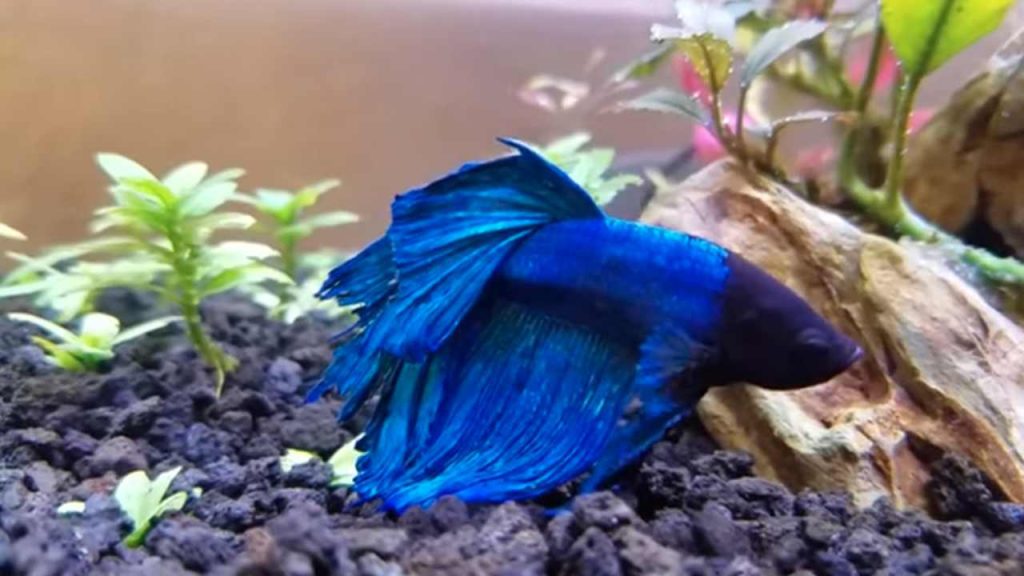
Fin rot is an ailment that affects fish and leads to their frayed, damaged, discolored, or shortened fins. Fin rot usually refers to bacterial infections, although injuries, parasites, stress, and fungal infections can cause the same effects.
A good way to cure fin rot in fish entails not only the choice of proper medication in bottles but also factors such as water quality, oxygen, temperature, nutrition, the purity of tank water, and aggressive behavior of fish. Although medication will assist in overcoming the infection, the fish will hardly recover from it in unhealthy conditions.
In my opinion, the first thing to do is to inspect the aquarium before applying medication for the fin. Testing the water quality and taking a picture daily will show the progress of healing or if it worsens.
Fin Rot as a Disease Pattern
Fin rot may be seen as damage patterns on the fins rather than the disease caused by a certain organism. In case the fins get torn and become weaker, the protection of their skin breaks, and microorganisms existing in the aquarium infect the damage.
Infections of the freshwater fish usually occur because of organisms such as Aeromonas and Pseudomonas. However, there are also other types of bacteria that may cause fin rot, leading to redness, erosion, ulcers, and dying of tissues.
Most of the time, stress causes the environment where fin rot develops. Stressful conditions include poor water quality, physical injury, aggression, parasitic infection, crowding, temperature fluctuation, or another disease, which makes the fish vulnerable. As a result, fin rot can be considered a fin problem and a sign that there is some issue with the tank that needs urgent addressing.
Fin Rot Symptoms and Stages
Healthy fins should look nice and have a typical form for that particular fish species. It is necessary to remember that there are fish species that naturally have pointed rays, darker fins’ borders, transparent areas, or deformed fins. Thus, it is not enough just to pay attention to colors and form.
Early-stage symptoms
First signs of fin rot are quite hard to notice and often get confused with usual injuries.
- Pale, white, or slightly cloudy fin edge
- Small cracks, which gradually become bigger
- Ragged, uneven, or melting fins’ borders
- Slight fin clamping in one or several fins
- Shortening of the fins’ length
- Reddish coloration near the injury
Take a photo as soon as possible once you spot any changes. Try to take a photo from the same side and same angle of the fish every day. A stable tear indicates that the process of healing is going on, while if the edge of the fin moves closer to the fish’s body, there is a probability that the fish needs treatment.
Moderate-stage symptoms
During the development of the disease, the fin becomes shorter, rough, and uneven. The tissue between fin rays disappears, making the rays stick out like spines.
The fish can also become less active, become more timid, eat less, or keep their fins pressed against the body. Behavioral symptoms are significant since they indicate that the disease affects not only the fin.
Advanced-stage symptoms
Fin rot can lead to significant amounts of tissue being destroyed and can become hazardous when the infection starts moving towards the body.
- Significant tail fin loss or other fins
- Appearance of blood spots on the remaining fin tissue
- Swelling of the area near the base of the fin
- Wounds or red sores
- The infection extending to the body of the fish
- Formation of white growth on damaged tissue
- Rapid and labored breathing or gulping at the surface
- Trouble in swimming and balancing
- Not eating at all
- A number of fish showing the same symptoms
- Unexpected or unexplained deaths
In very severe cases, most of the fin tissue will be lost. Bleeding, sores, body lesions, respiratory distress, or quick spread of the infection suggests an infection problem that is beyond just a routine home treatment.
Main Causes of Fin Rot in Fish
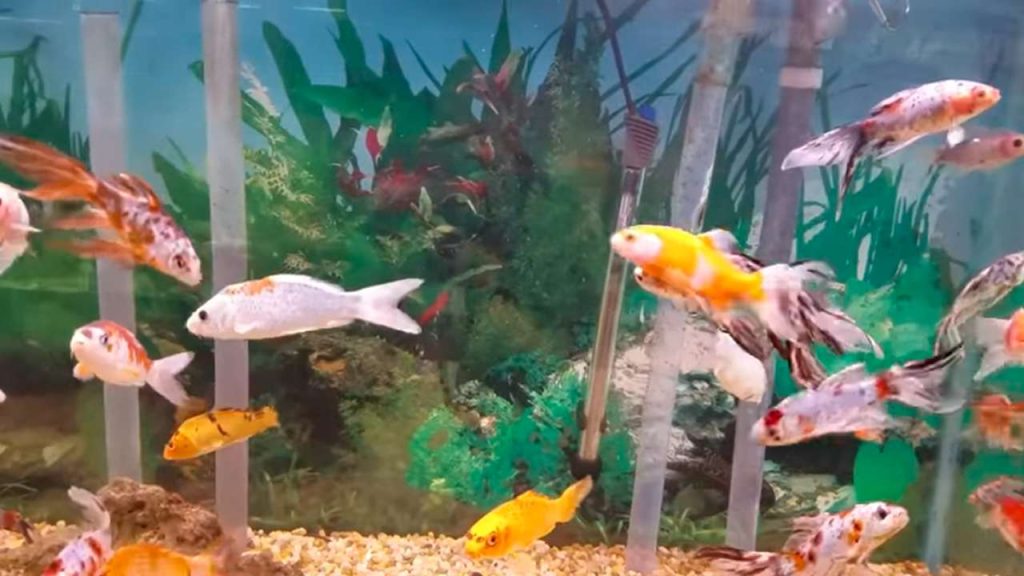
Poor water quality
The state of the water has a direct influence on the overall well-being of the fish. Such elements as ammonia, nitrite, fluctuating pH level, lack of oxygen, and build-up of organic matter can be found in the tank water even if it appears clean.
Ammonia can lead to irritation and possible damage of tissue and increase the vulnerability to infections. Since the harmful water conditions cannot always be seen or smelled, regular testing is much more trustworthy than simply judging the water.
Fin injuries and aggression
Fin nipping, territorial fighting, mating disputes, net injuries, rough decor elements, and strong intake of the filters can all cause fin injuries. While the initial wound is not infected, further damage will make the place prone to infections.
Long-finned bettas are often incorrectly diagnosed because of their unique look. A clean bite, scratch, or tear can resemble symptoms of fin rot at first glance; that is why close attention should be paid to the development of the issue.
Overcrowding and excessive waste
A crowded aquarium results in increased wastes and more competition between the fish for food, shelter, and space. Crowded fish can be stressed, exhibit aggressive behavior, and make frequent physical contacts.
Overcrowding of the fish in an aquarium leads to a filter being overworked and increased difficulties with controlling diseases. If several fish have damaged fins simultaneously, one should check the aquarium conditions instead of treating each fish separately.
Unstable temperature
The temperature of their environment is vital in the regulation of the processes that occur in fish bodies. Any temperature shifts or deviations from the comfortable range for the particular species affect the functioning of the fish’s immune system negatively and cause stress.
It is essential to note that warming of the water is not a solution for all kinds of illnesses. Warmer water can stimulate bacteria growth or decrease the amount of oxygen.
New fish and shared equipment
The new fish could result in introducing bacteria, parasites, or any disease-causing microorganisms to the aquarium, despite how healthy the new fish looks at the time of buying. Nets, siphons, buckets, and wet instruments could also carry these organisms from one aquarium to another.
Separate equipment and fish quarantine would help eliminate these risks. The quarantine process will give time to observe fish appetite, respiration, excretion, and skin and fin condition.
Poor nutrition and prolonged stress
Inadequate nutrition, too much handling, bullying, incompatible tankmates, and insufficient hiding places might harm a fish. Such factors would not necessarily lead to the fin destruction itself but would make the fish weaker and unable to defend itself against infections or repair the damage.
Such stress usually occurs silently. Fish would keep eating and moving while getting sick. That is why behavioral changes should always be taken seriously.
Fin Rot Fish Treatment Plan
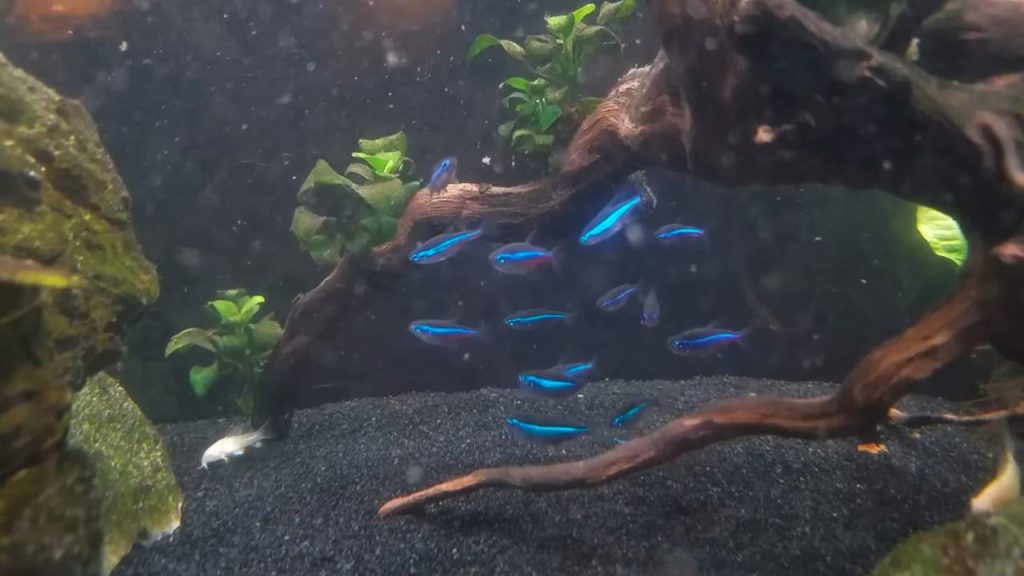
Step 1: Record the condition
Photograph the damaged area on both sides of the fish, if possible, and take notes on anything that might give information about the condition.
- Date of the initial notice of the damage
- Changes in eating or feeding habits
- Abnormal swimming or breathing behavior
- Introduction of new fish into the tank
- Cleaning or maintaining the tank
- Previous medications administered
- Aggression or chasing between fish
Such information will allow one to determine the trend of the fin damage, which may be getting better, not improving, or worsening.
Step 2: Test the aquarium water
Check the water temperature, ammonia, nitrite, nitrate, and pH prior to giving any medication. Also, oxygen content should be checked in ponds, heavily stocked aquariums, and cases of breathing difficulties.
Zero amounts of ammonia and nitrites are desirable in an established aquarium. If there are any amounts found in the aquarium water, feed the fish less, perform a careful water change, and check the biological filter.
Make changes to only one or two of the parameters at a time. Changing too many things at once can cause even more stress for the fish.
Step 3: Improve cleanliness without destroying filtration
Clean any leftover food, decomposed plant material, and any other waste material out of the aquarium. Perform a partial water change using treated water with a temperature similar to that of the present aquarium water.
Avoid sterilizing the aquarium and/or replacing the filter materials. This might result in a loss of beneficial bacteria, causing an increase in the level of ammonia and nitrites, thus posing yet another health threat to the fish, which is already debilitated by the current condition.
Step 4: Separate the affected fish when appropriate
Hospitalization in a hospital tank makes treatment and monitoring easier. The hospitalization tank ensures that a weak fish is isolated from its aggressive tank-mates, and medications can be used without affecting all the plants and other invertebrates in the aquarium.
A typical hospital tank should have:
- Properly conditioned water
- Stable temperature for the particular species
- Moderate filtration/biological media
- Good aeration
- A lid (if required by the particular species)
- Minimal furnishing that is easily cleaned
Hospitalization does not offer much advantage in situations where all the fish in the aquarium are suffering from water quality issues.
Step 5: Reduce additional stress
Dim the overly bright lights, avoid unnecessary handling, separate the aggressive fish from others, and give the fish safe areas to hide. Give the fish a healthy species-specific diet in small amounts to avoid any food decay in the tank.
Watching the fish without disturbing it will be more effective than chasing the fish with the net. All the additional disturbances consume the energy needed for the immune system, healing, and normal behavior of the fish.
Step 6: Use medication only when justified
Minor injury to the fins may stop developing along with improved water quality and stress reduction. Medication will be required when the tissue continues disappearing, the area gets reddened, sores appear, more than one fish is affected, or the fish shows behavioral problems.
Many different bacterial infections may cause the same symptoms. Thus, there cannot be one medicine that will be optimal for every case. Using random medicines, mixing incompatible products, and using leftover human antibiotics may harm the fish and the biological filtration.
Apply only treatment designed for ornamental fish, and apply it according to directions on the package. Do not eyeball the amount, mix several medications at once, and do not apply any leftover human antibiotics to the tank.
Home Care That Helps Without Overmedicating
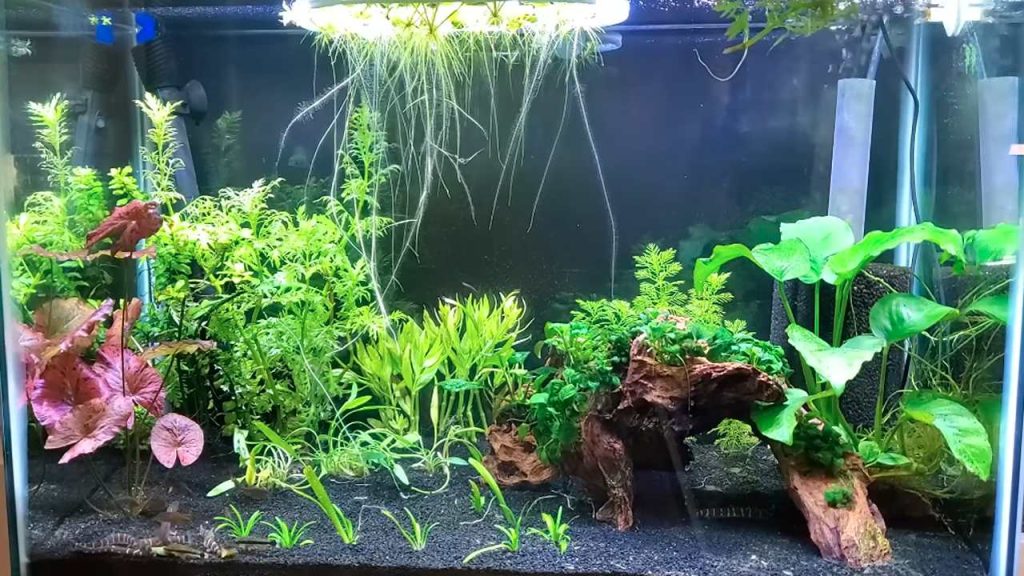
When people look for betta fish fin rot treatment at home, they are recommended to use salt, an antiseptic, and an antibiotic before inspecting the tank. However, a better approach should start from providing a better environment and observing the improvement.
It is useful to include in your therapy the following:
- Checking and writing down water parameters
- Conducting a controlled partial water change
- Clearing waste and uneaten food
- Protecting the fish from any new injuries
- Maintaining temperature and oxygen constant
- Taking pictures of damaged fin every day
- Searching for additional help if there is any tissue loss
Salt as supportive care
Aquarium salt is at times added to help in the curing of particular external conditions affecting freshwater fish. Salt is not a guarantee when it comes to curing fish fin rot; salt does not treat ammonia, poor filtration, aggression, or unsuitable surroundings.
Different fish species, living plants, invertebrates, water chemistry, salt quantity, and treatment time will determine whether salt could be added. A salt treatment for betta fish fin rot must always be done by following proper instructions.
Strong chemicals and household remedies
Do not add such chemicals as household hydrogen peroxide, disinfectants, essential oils, and any other products intended for use in case of human injuries to the fish tank. Chemicals that seem harmless out of the aquarium may harm the fish’s gills, skin, and mucus.
A potent chemical, when not handled with care in terms of proper quantity, may transform a minor problem into a more serious life-threatening situation.
Species-Specific Treatment Notes
Betta fish fin rot treatment
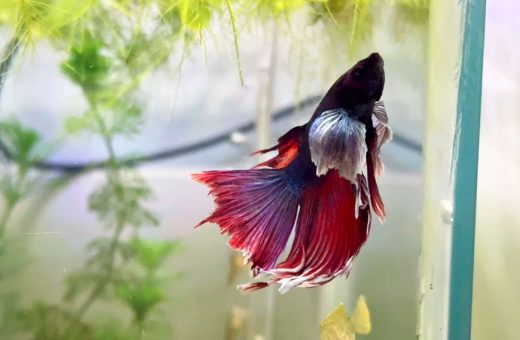
The bettas’ delicate fins can be harmed through biting, harsh plastic aquarium plants, rough aquarium decorations, filter intake, and inappropriate tankmates. Fin rot disease in fighting fish is likely to occur if the damaged edge continues to retreat rather than stabilizing at one split edge.
Some common signs of bettas’ fin rot are continual splitting, absence of tissue between the fin rays, red or black discoloration along the edges, irregular shortening, clamped fins, and low level of activity. A single clean split that doesn’t spread any further will most probably be a wound rather than fin rot.
When caring for bettas, it’s important to concentrate on the appropriate temperature and filtration conditions, regular testing, and getting rid of any sharp objects from the tank. Medication is needed only in cases when the problem persists in spite of better care or if there are any sores, inflammation, appetite loss, and unusual behavior.
Koi fish fin rot treatment
Koi fish inhabit environments that may affect diseases through oxygen content, organics, seasonal changes in temperature, filtration, and stock density. If one koi has torn fins, it is necessary to check the pond for predator attack, rough surfaces, injuries during handling, or aggression.
If several koi have red, damaged, or bleeding fins, an examination of the entire pond should take place. This is necessary since environmental corrections are important in dealing with a condition affecting all the pond fish.
Valuable koi with ulcerated, swollen, bleeding or damaged fins extending onto the body should be evaluated by experts. Bacterial infection of koi can affect deeper tissues than just the fins.
Discus fish fin rot treatment
Discus require clean water and are sensitive to changes within their environment. In case of any fin damage, you should first consider water conditions, tankmate aggression, introduction of new fish, appetite, respiration, waste production, and general behavior before making changes to the temperature and administering medication.
In addition, discus may suffer from parasitic, bacterial, or gill disease, which also manifests through the symptoms of stress. The progressive disappearance of fins together with rapid breathing, darker color, body ulcers, decreased appetite, or other fish becoming sick demands further analysis of the problem.
Fin Rot and Similar Fin Damage
| Condition | Typical appearance | Useful clue |
| Fin rot | Gradual fraying and loss of tissue | The frayed edge keeps on going into the body part |
| Fin nipping | Biting marks or tissue missing from the fin | There may be chasing or aggression in the aquarium |
| Physical tear | Sharp cut or tear from an object | The damage stays constant when the source of damage is removed |
| Ammonia-related damage | Redness, clamping, irritation, or general distress | The water testing will reveal the cause |
| Secondary fungal growth | White, fuzzy, or cotton-like material | Growth often appears over tissue that was already damaged |
| Columnaris or another bacterial disease | Sickly looking pale spots, gill issues, quick degradation of fish | The symptoms occur suddenly, and diagnosis is important |
| Natural coloration | Clear, pale, dark, or uneven fin borders | The shape and color remain consistent over time |
Columnaris deserves a separate mention due to its rapid development and similarity to fungal infections and fin rot. In case your fish has developed pale body spots or lesions of the mouth, gills, and other areas or is deteriorating quickly, it is necessary to treat it accordingly.
Recovery and Fin Regrowth
Recovery does not show itself in the form of fully healed fins in the first place; the first sign of the fish being on the way to recovery is that the damaged area of the fin stops shrinking and no further tissue loss occurs.
The positive signs of recovery include:
- The fin margin stops moving towards the body.
- Redness and swelling start reducing.
- The appetite returns to normal.
- Behavior improves.
- The fin position becomes extended, not pinned back.
- A thin clear covering of the new tissue develops.
Regenerated tissue usually looks clear, pale, or a bit different from the original one. Compare photos taken on several days for evaluation, instead of expecting the full restoration right away.
It is possible for fins to regenerate if the infection and external stress factors are controlled; however, serious injury will result in a permanent change in fin shape. Fin regeneration is also difficult when the base of the fin is severely injured.
Prevention of Future Fin Rot
It will be more productive to stick to an aquarium routine rather than keep on treating sick fish. Clean water, right food, quarantines, right stocking, and daily observations are more likely to help the fish stay healthy.
Stick to a basic prevention regimen:
- Check aquarium water periodically.
- Clear any uneaten food and debris.
- Do not overcrowd the tank with too many fish.
- Pick tank mates properly
- Check for sharp points on decorations.
- Maintain stable temperature and pH.
- Quarantine new fish before adding them.
- Have different tools for quarantine tanks.
- Watch fish fins, eating habits, breathing, and behavior.
- Write the date of each maintenance and test.
It is especially helpful to write down your aquarium log. You will see that the fish have damaged their fins due to the failure to clean the water, filter malfunction, newly introduced fish, temperature change, or changes in behavior.
Final Words
Successful treatment of fin rot involves providing fresh, well-oxygenated water for the fish without exposing it to additional harm and stress. The usage of medicines is only recommended when an infection is developing further and never as a substitute for proper aquarium management.
Take action when the fin keeps getting smaller and keep track of the progress by taking pictures. Turn to professionals in case of deep damage, bleeding, ulcers, infection of multiple fish, and drastic changes in respiration, locomotion, and appetite.
Quick answers
Frequently asked questions
What does fin rot look like in betta fish?
Fin rot results in the increased irregularity, raggedness, redness, paleness, or reduction of the fin of a betta fish. The most distinctive feature of the problem is the continuous loss of the tissue instead of a single tear.
How to treat fin rot in betta fish?
Improve the water parameters, eliminate sharp objects and biting risks, stabilize the environment, and observe the condition of the fin daily. In case of the progression of the problem despite these actions, use proper medicine for fish.
Can fin rot spread to other fishes?
The diseased fin is not infectious to other fish, but the bacteria, parasites, stress factors, and water conditions that cause it may be detrimental to other fish. Contamination by wet tools can infect other aquariums.
Can Salt Cure Fin Rot?
Using salt can be helpful in some freshwater cases, although it will not heal every infection or fix bad water quality. The concentration of salt must be appropriate for your particular fish and other tank mates.
How Long Does It Take to Kill a Fish?
There is no specific time frame in which the disease kills a fish. While mild cases affect only the fins, severe ones can spread throughout the body and gills very fast.
Can fish grow back their fins in case of fin rot?
Fish usually recover from their disease once the causes have been solved. In case of severe injuries to the fins, there will be some permanent effects; thus, the priority is to stop deterioration of the affected areas.
What fin rot fish medication is most effective?
The type of medication required largely depends on the type of organism causing the disease, the type of fish involved, the severity of the condition, and the kind of treatment being done.

About the author
Daniel Reed
I'm Daniel Reed, a specialist in aquariums, and I write about fish health. I have accumulated experience over the last seven years learning about the connections between different conditions in aquariums, the behavior of various fish species, and the diseases they are subject to. At Stardexa, I make sure fish lovers know how to spot warning signs before it is too late, as well as what might be troubling their fish and what they need to do to help them with their condition. I write many articles on the topics of ich, fin rot, parasites, stress, fungi, unhealthy water conditions, quarantine, etc. My aim is to help aquarists learn how to make better observations and avoid wrong treatments.
Reader Fishkeeping Feedback
Comments, questions, and aquarium reviews
Share your aquarium experience, ask a fish care question, or write a helpful note about tank setup, water quality, filters, algae control, or maintenance for other readers.
No aquarium reviews yet. Be the first to share a helpful review on content or fishkeeping question, setup tip, or care experience.