
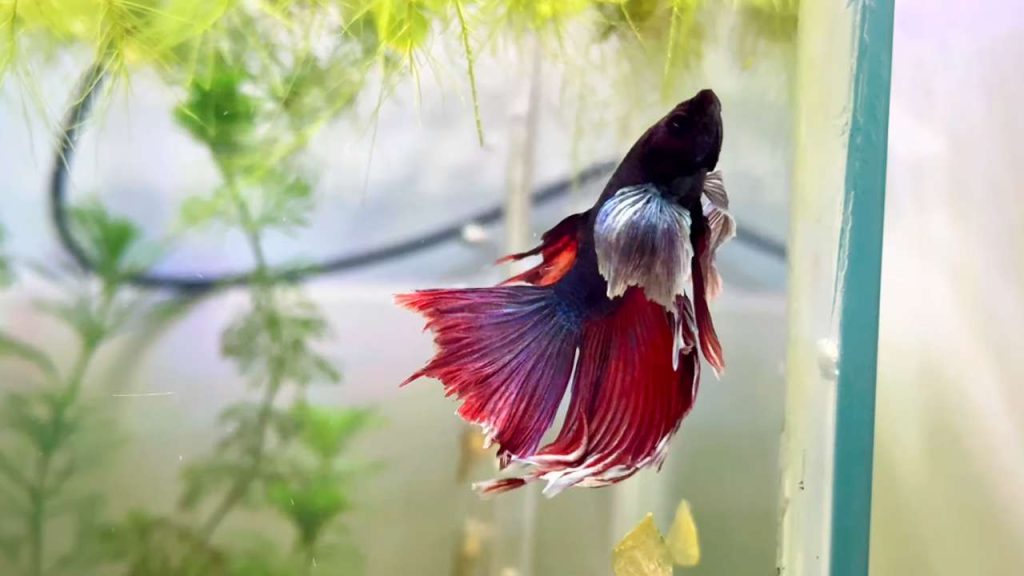
Dropsy Fish Treatment at a Glance
First actions in dropsy fish treatment include testing of the tank water, isolation of the diseased, increase of the oxygen level, and correction of bad tank conditions. The use of medication should take place only in cases when the possible cause allows it since antibiotics cannot cure swelling that was caused by parasites, tumors, reproductive problems, or any other organ’s harm.
In reality, the main rule in fish treatment consists in the fact that fish and its environment have to be treated simultaneously. Treatment with the help of medications will hardly bring the desired effect in case the fish continues to stay in conditions of ammonia, temperature instability, lack of oxygen, overcrowding, and too much organic waste.
Understanding Dropsy in Fish
“Dropsy” refers to any excess of body fluids that accumulate within the body or within the tissues of a fish. As the internal pressure continues to increase, the fish body swells up, resulting in scales being pushed apart, which gives a pinecone effect.
The term “dropsy” is not associated with a particular infection. Instead, it indicates that the fish cannot maintain fluid balance in its body since some of the body parts have been damaged due to the disease or the environmental factors.
The dropsy condition does not necessarily mean that the disease is contagious. It only means that whatever causes the dropsy disease could be a threat to other fish in the same environment.
Dropsy Fish Symptoms
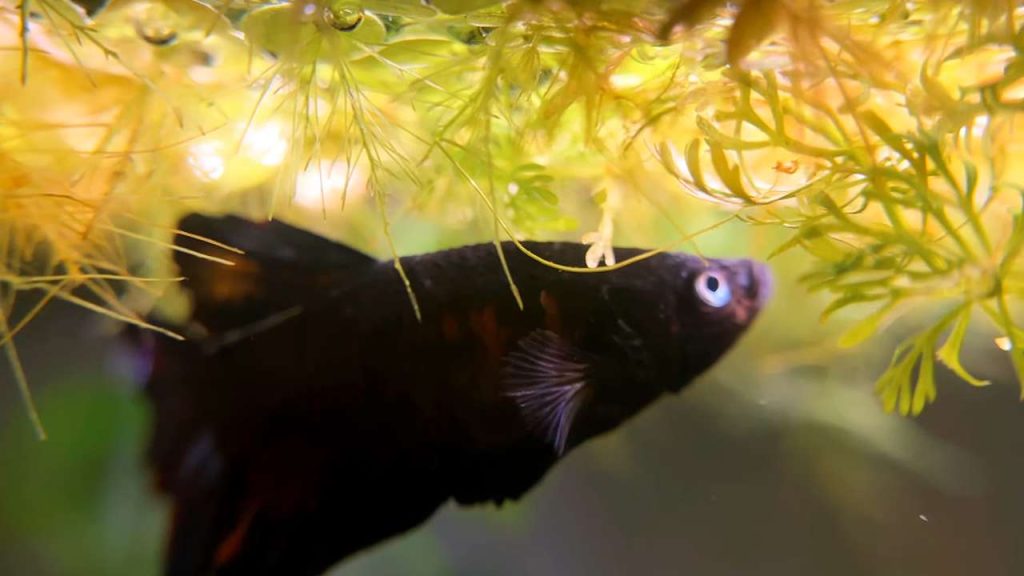
An enlarged stomach is not necessarily associated with dropsy. Dropsy occurs when there are visible signs of generalized edema along with the outward-facing scales. The latter can be noticed easily when the fish is viewed from above.
The following is a list of symptoms of dropsy in fish:
- An enlarged or bulged abdomen
- Outward-protruding scales in the form of a pinecone
- Puffed up or cloudy eyes
- Lethargy, hiding, and lying at the bottom
- Decreased eating or refusal to eat
- Fins clamped to the body
- Difficulty in swimming, floating, and staying upright
- Red spots, open sores, pale gills, and skin hemorrhaging
- Fast respiration and constant movement towards the water surface
Other diseases caused by bacteria can cause sores on the body, damaged fins, red skin, puffy eyes, and odd swimming behavior. All these symptoms can indicate a presence of a systemic infection in the fish but do not specify what organism causes it.
Early and Advanced Symptoms
In the early stages of fish dropsy, signs could be relatively hard to spot. A fish can feed less, be lazy, look somewhat swollen, and react less during feeding sessions even if the swelling has not occurred yet.
In later stages, advanced dropsy results in visible belly swellings, pinecone scales, lack of balance, difficulties breathing, and total loss of appetite. Once visible pineconing takes place, it may be too late, and the fish will have some severe internal injuries, making a cure harder.
Differences Between Dropsy and Ordinary Bloating
Not all fish suffering from an increased size of their abdomen need dropsy treatment. Fish swelling can be caused by overfeeding, constipation, egg development, internal parasites, tumors, cysts, or some other reproductive problems.
| Sign | Ordinary Bloating | Likely Dropsy |
| Scales | Stay relatively flat | Tend to stick out |
| Swelling | Tends to be localized in the belly area | Tends to occur in the belly area and whole body |
| Appetite | Tends to be fine or low | Frequently reduced as the condition advances |
| Behavior | The fish usually behaves normally | The fish tends to become inactive/week |
| Eyes | Tend to look fine | May become enlarged or protruding |
| Progression | Improves upon diet change | Worsens without proper treatment |
One-sided swelling could be related to a mass, cyst, localized infection, trauma, or reproduction issues. Swelling accompanied by pinecone-like scales on both sides looks more like a fluid retention problem.
Causes of Dropsy in Fish
This condition arises when there is an inability in the body of the fish to regulate its fluid content. The problem can arise due to infection, parasites, organ problems, poor feeding, excessive stress, or an unhealthy tank environment.
Bacterial Infections
One of the main causes of dropsy in freshwater fish is bacterial infection. Bacterial infection, in some cases, may cause problems to the internal organs of the fish, leading to fluid retention, ulcers, red patches, deterioration of the fins, bulging eyes, and extreme weakness.
The chances of bacteria becoming pathogenic in the body of the fish are higher if the fish has been stressed by various means such as overcrowding, transport, handling, poor water quality, rapid change of temperature, lack of oxygen, or decaying matter.
Poor Water Quality
Unhealthy amounts of ammonia and nitrite cause injuries to the gills and internal organs, and an unhealthy pH level, wrong water temperature, high nitrate amount, or low oxygen causes stress. Therefore, it is essential to test water quality prior to medicating because a poor environment can be the primary reason or one of the factors contributing to the disease.
Neglected water quality needs to be restored gradually and not drastically. Changing a large amount of water with water having different temperature, pH levels, or mineral compositions can cause even more stress to the sick fish.
Kidney, Gill, or Liver Damage
Freshwater fish have the capability of absorbing water from the environment, and good functioning of kidneys and gills is necessary for the process of eliminating unnecessary water. Damaging these organs interferes with the process and results in accumulation of water in the body.
Parasites and Other Diseases
The presence of internal parasites causes injuries to organs, interferes with the function of the body, or causes severe abdominal swelling. Viral disease, chronic inflammation, nutritional deficiency, and other internal diseases can be the cause of weakening organs responsible for the water balance.
Tumors and Reproductive Conditions
Internal tumors, ovarian problems, retention of eggs, cysts, and other reproductive diseases can lead to an enlargement of the abdomen similar to dropsy. Such diseases may be characterized by unequal swelling or continuous development even in case the environment has been improved.
Step-by-Step Dropsy Fish Treatment
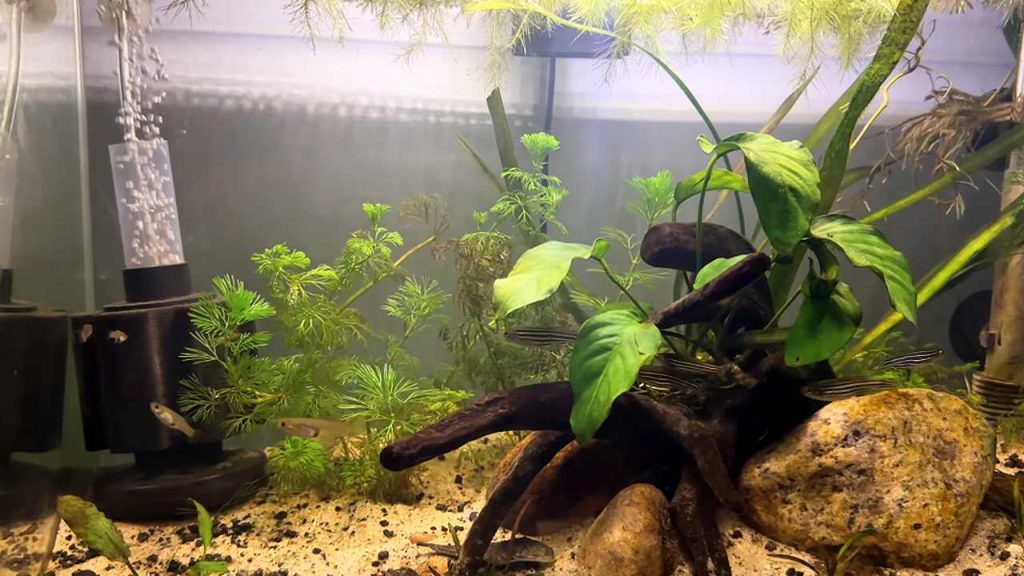
1. Test the Main Aquarium
It is necessary to conduct tests on aquarium water before beginning the treatment because the results will show whether the bad conditions of the environment led to the disease, weakened the fish, or are still hampering the cure.
At a minimum, measure:
- Ammonia
- Nitrite
- Nitrate
- pH
- Water temperature
- Salinity or specific gravity when relevant
There must not be any ammonia or nitrite in the well-settled aquarium. It is also required to examine the filter, heating system, aeration system, number of fish in the tank, food leftovers, plant decay, etc.
2. Prepare a Hospital Tank
If the fish can be safely moved without too much stress, put it into a quiet hospital tank with clean water, constant temperature, adequate filtration, and plenty of aeration. Using a basic setup without any substrate makes it easier to clean the tank and observe feeding, swimming behavior, feces production, and any changes in the body form.
Using an already established biological filter or using filter material previously colonized by beneficial bacteria is preferable because in a newly set up hospital tank, toxic concentrations of ammonia can be produced very fast. If no mature filter medium is available, check the water for ammonia daily and perform matched water changes when needed.
Use of a separate treatment tank eliminates competition, aggression, and medications affecting other tank inhabitants (healthy fish, plants, invertebrates, and bacteria). Replace the polluted water gradually with matched conditioned water.
3. Correct Environmental Stress
Clean the decomposed debris, increase aeration, and make sure the filter works right without producing currents that can exhaust the diseased fish.
Do not raise the water temperature just because the fish is sick; higher water temperatures may contain less oxygen and may stress the fish and cause some pathogens to reproduce faster.
4. Use Salt Only as Guided Support
An artificially increased level of salinity can help certain freshwater fishes temporarily, as it helps to decrease the amount of water that enters the fish’s body. However, salt does not kill an infection, parasite, or organ disease or tumor that exists inside the body of a fish.
Aquarium salt, Epsom salt, sea salt, and table salt are four totally different products. A dosage that is safe for one type of fish can be dangerous for another species of fish as well as for plants, snails, shrimps, and other animals in the aquarium.
The use of salt as treatment should be conducted in a very careful way, and salt therapy is better to conduct in a separate tank for sick fish.
5. Select Medication According to the Cause
The use of antibiotics is recommended if there are visible signs of a bacterial infection inside the fish body. In this case, it would be much better to know which organism causes the problem and then apply an effective medicine rather than using several different medicines in rotation.
If the diseased fish is still feeding, then in case of internal infection, it would be better to treat the condition with medicated food, which may be a much more effective solution than adding medication into the water. If the fish stopped feeding, it may need some other treatment technique.
Do not try to use several different medications for one disease at the same time, as they may interact with each other, lower the oxygen levels, harm the biological filter, or put an additional stress on the fish.
6. Provide Careful Nutrition
Give tiny quantities of fresh, proper food as the fish becomes interested. Get rid of uneaten food promptly, as it decomposes and leads to increased waste and difficult water control conditions in such a limited hospital tank.
The fish that keeps eating has many more ways of getting treated and has better chances of survival. Failure to continue feeding is very dangerous, especially if it comes with increasing swelling, poor swimming ability, or rapid breathing.
7. Record Daily Changes
Take photos of your fish from the side and from above on a regular basis. Taking photos regularly will help you see any improvements or deterioration in your fish that you cannot see otherwise.
You should record the following parameters:
- Appetite and food interest
- Swimming ability and body posture
- Respiration rate
- Position of scales
- Abdomen size
- Waste output
- Water test results per day
- Times of administering medication and water changes
Such records are very useful when several types of treatment or water correction techniques are used. You will be able to see if the fish started getting better or deteriorating after some change was made.
Betta Fish Dropsy Treatment
The Betta Fish Dropsy Treatment starts with the same important steps applied to all kinds of aquarium fish. Check your water, make corrections in case of any dangerous conditions, remove stress factors, find out the possible reason, and only then start to medicate.
A hospital tank may be needed even if you have only one betta fish. This will give you an opportunity to monitor its condition, keep things simple in the treatment process, and avoid using the medication in the environment of the existing tank, which can break the biological balance.
The temperature of the tank must be within the normal betta range, as must accessibility to the surface. The flow rate should stay low, as a sick betta fish cannot swim to the top through powerful filtration.
It is usually quite difficult to detect dropsy in betta fish until the scales get raised. Monitoring the fish while it eats from the top will help to detect widening, although not every swollen betta has dropsy, as it can be caused by constipation, overfeeding, tumors, egg problems, and organ illness.
Koi Fish Dropsy Treatment
The koi fish dropsy treatment will require an assessment of the aquarium environment to measure ammonia, nitrite, nitrate, pH levels, temperature, and oxygen levels while assessing recent changes made in the feeding routine, filtration, weather, stocking, or maintenance practices.
Check the koi fish for signs of ulcers, red spots, broken fins, protruding eyes, damaged gills, any visible parasites, injuries, and abnormalities during its swimming. Such symptoms may provide an idea whether the problem is caused by bacterial infection or by the parasite, injury, or other non-infectious internal problems.
An adult koi needs a properly designed treatment system with good filtration and an adequate oxygen level. An inaccurate calculation of the volume of a pond or tank will create risks of overdosing such a koi with some potent medicines and salt.
The professional examination is especially necessary for mature koi or those whose health state is critical. The specialist in fish health problems can collect samples, conduct parasitological analysis, culture the bacteria, perform X-ray examinations, drain fluid if required, or treat koi using injections or feeding it medicated food.
Signs of Improvement
The process can start by making little changes in the behavior of the fish even when the inflammation is still there. A fish becoming more active and showing interest in food means it’s starting to get better.
Positive signs will be:
- Showing interest in food again
- Improving movement skills
- A reduction in inflammation
- Scales being less raised up
- Normal behavior both at rest and when interacting
- Wounds healing up and redness disappearing
- Breathing getting slower and smoother
- Positive water tests
Even when the condition starts to get better, fluid retention can still continue for some time. Improvement should happen gradually during several days and not right after one treatment or change of water.
Don’t give up on prescribed treatment when the fish seems to be better. Finish the course unless another vet or the symptoms show the need for changing something.
Prognosis and Quality of Life
Recovery prospects vary depending on the cause of the disease, degree of internal injury, and timeliness of treatment. Mildly bloated fish that are feeding and swimming without problems have better prospects compared to those showing symptoms of severe pineconing, ulcers, heavy breathing, imbalance, and long-term loss of appetite.
In the case of severe unresponsive dropsy in a fish, comfort is the main factor to consider when deciding further actions. Fish that are unable to swim, feed, breathe, and rest properly can be in pain, and humane euthanasia should be discussed with an aqua vet rather than employing such methods as flushing or freezing.
Preventing Future Dropsy Cases
Prevention of dropsy is achieved through minimization of stress and solving the environmental issues before the organs and the immune system get affected.
- Test the aquarium water at scheduled intervals.
- Ensure there is filtration of the appropriate amount for the number of fish in the tank.
- Dispose of uneaten food and excrement before they decompose.
- Do not overcrowd and have incompatible fish in the tank.
- Isolate new fish before putting them in the tank.
- Ensure stability of temperature, pH, and water chemistry while maintaining the tank.
- Give a proper diet in controlled amounts.
- Maintain the quarantine facilities separately or sterilize them after use.
- Check the individual fish from the side and top while they feed.
Regular maintenance does more than keeping the aquarium in good condition. It ensures that there is stability in water conditions, stocking, diet, and quarantine; all this lowers the stress in fish.
Final Words
The best approach to fish dropsy treatment involves not a single method but a number of steps that include a water test, correction of the environment, careful isolation, supportive therapy, and specific treatment for the problem.
Start the therapy timely, measure products properly, and do not guess what antibiotics or salt dose your fish needs because dropsy can be a consequence of many different issues, including infections, parasites, injury of organs, tumors, reproductive problems, and bad water quality.
Quick answers
Frequently asked questions
Can a fish recover from dropsy?
Fish can recover from dropsy if they are diagnosed early enough and the underlying cause of the disease is treated. If a fish suffers from advanced pincage, loss of equilibrium, quick breathing, and extended loss of appetite, chances of recovery are small.
Is dropsy contagious to other fishes?
Dropsy is not a contagious disease but an illness that affects the body of the fish. On the other hand, if the underlying cause of the disease is contagious, other fish will be threatened by it as well.
What is the cause of dropsy in betas?
The causes of dropsy in bettas include poor water quality, infection, parasites, problems with kidneys or gills, tumors, reproductive issues, nutrition problems, etc.
Should an affected fish be isolated?
Isolation is recommended when the transfer can be done safely. The benefit of isolation includes better monitoring, better water quality, treatment, and safety of healthy fish.
Can antibiotics be used to treat dropsy in fish?
If the fish are affected by bacteria, antibiotics can work. The swelling caused by parasites, cancerous growths, virus infections, reproductive issues, damage to organs, and water imbalance cannot be cured by using antibiotics.
Is the use of Epsom salt an all-inclusive solution for dropsy?
The use of Epsom salts is not a total solution for curing dropsy. However, it can give some relief in certain situations. This remedy requires the consideration of factors such as the compound, dosage, and the type of fish.
When should the dropsy fish treatment start?
The process of treatment should start from the moment when the signs of swelling, lack of appetite, change in behavior, and initial lifting of scales become visible. The treatment will be more difficult with pineconing and organ damage.

About the author
Daniel Reed
I'm Daniel Reed, a specialist in aquariums, and I write about fish health. I have accumulated experience over the last seven years learning about the connections between different conditions in aquariums, the behavior of various fish species, and the diseases they are subject to. At Stardexa, I make sure fish lovers know how to spot warning signs before it is too late, as well as what might be troubling their fish and what they need to do to help them with their condition. I write many articles on the topics of ich, fin rot, parasites, stress, fungi, unhealthy water conditions, quarantine, etc. My aim is to help aquarists learn how to make better observations and avoid wrong treatments.
Reader Fishkeeping Feedback
Comments, questions, and aquarium reviews
Share your aquarium experience, ask a fish care question, or write a helpful note about tank setup, water quality, filters, algae control, or maintenance for other readers.
No aquarium reviews yet. Be the first to share a helpful review on content or fishkeeping question, setup tip, or care experience.