
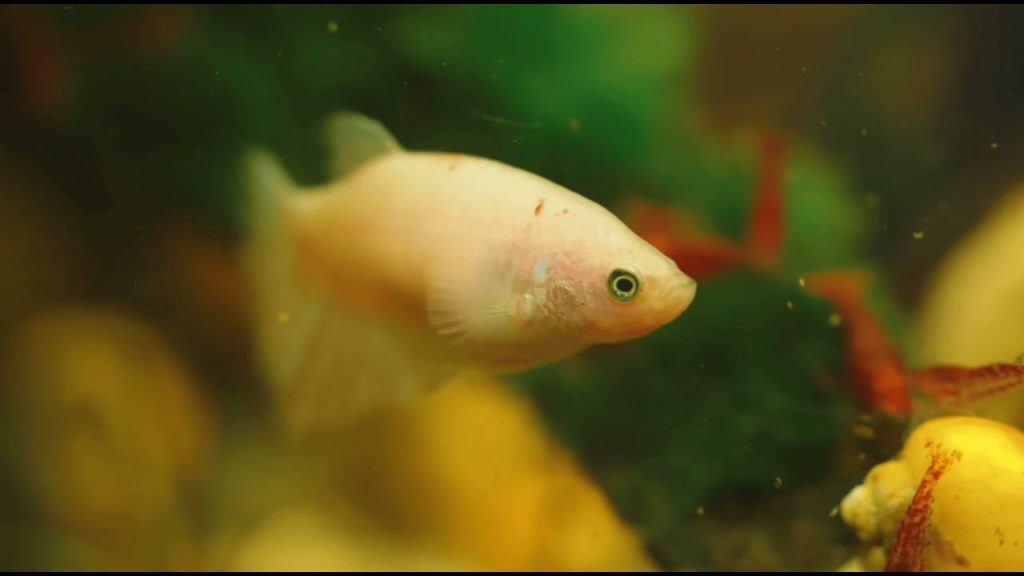
Beginner Aquarium Complete Guide
A beginner aquarium is basic fish tank equipment created especially for people who keep fish for the first time in their lives. A beginner aquarium typically consists of a freshwater tank, a filter, a heater for tropical fish, water conditioner, a thermometer, and a test kit.
There is one very important rule that should be remembered. Fish cannot be put into a new tank immediately after filling it with water. There is a need to wait until beneficial bacteria develop that can decompose fish wastes.
It does not make sense to create an aquarium with various decorations for beginners. A good aquarium for beginners is a clean and safe place for fish.
Why a Beginner Aquarium Needs Planning
Water is a key element of fish life. Fish breathe, eat, and live in it all the time. This is why water quality plays a major role in keeping fish. The fish wastes and uneaten food lead to the creation of ammonia. Ammonia is toxic for fish. Beneficial bacteria present in the filter convert ammonia into nitrite and nitrate.
This is known as the aquarium nitrogen cycle.
The aquarium should undergo fishless cycling before putting any fish into the tank. This will help to create beneficial bacteria in the filter and other parts of the aquarium.
Important Facts for Beginner Aquarium Owners
- The role of a filter is not only to collect dirt but also to foster healthy bacteria.
- Water that is clear is not always safe.
- A water test kit will help you find the hidden problem.
- The selection of fish should be done according to their adult sizes and requirements.
- Putting too much fish in an aquarium at once can harm the fish.
- An ideal aquarium is better than a beautiful aquarium.
It is a good idea to check the water weekly, especially after you put the fish in the tank.
Beginner Aquarium Equipment Checklist
Before putting the fish aquariums together, one should be certain that all necessary equipment is available.
| Equipment | Why You Need It |
| Aquarium with lid | to hold the water and prevent the fish from jumping out. |
| Filter | to clean the water and promote healthy bacteria. |
| Heater (optional) | to keep tropical fish in warm water. |
| Thermometer | to check the temperature of the water. |
| Water conditioner | to purify tap water for fish. |
| Liquid water test kit | to test levels of ammonia, nitrite, nitrate, pH, and others. |
| Substrate | for covering the bottom and planting. |
| Siphon or gravel vacuum | for cleaning during water changes. |
| Aquarium-only bucket | to prevent soap and other home chemicals from getting into the tank. |
| Lighting | for watching fish and lighting plants. |
It is advisable not to purchase the fish until the tank is planned. One should find out more information about the fish he is going to keep. The information about the size of the adult fish, preferred water temperature, the possibility of keeping it in a school, and the fish to keep it together with.
How to Set Up a Beginner Aquarium Step by Step
1. Choose Freshwater Fish Before Buying the Tank
Setting up freshwater tanks is often much easier than setting up marine tanks. These tanks are relatively easy to create and maintain and are cheaper as well.
First of all, decide which fish you want to have. After that, select a proper tank size and configuration for them.
Don’t pick fish just because they seem small at the store; some of them grow very large. Other species require living in groups and specific water parameters.
While selecting the fish, take into consideration:
- Their size when they mature
- Their water temperature needs
- Water pH and hardness requirements
- If they require living in a group or alone
- Behavior towards other fish
- The amount of maintenance needed
2. Place the Aquarium in a Stable Location
Place the aquarium on a strong and even surface. Full-sized aquariums are quite heavy; therefore, they should be placed in such a way so that no risk exists.
Don’t put the tank in the place where it will be exposed to sunlight, heating, air conditioning, and places that are often visited.
An excess of sunlight may lead to algae development. Sharp changes of temperature may affect the health of fish.
3. Add Substrate, Decorations, and Equipment
Rinse the substrate with clean water before introducing it into the aquarium. Do not use any soap, detergent, or household cleaning products.
Introduce the filter, heater, thermometer, lights, ornaments, plants, and hiding places.
All introduced decorations must be appropriate for aquarium use. There must be some open swimming space for your fish, but there also should be some hiding spaces.
4. Fill the Tank With Conditioned Water
Fill the aquarium with tap water and treat it with a water conditioner. The conditioner will detoxify the water from chemicals such as chlorine.
Start the filtration and heating. It is necessary to wait until the temperature stabilizes before beginning the cycling.
5. Complete a Fishless Cycle
The fishless cycle is one of the most important steps during the process of aquarium setup.
During this procedure, the beneficial bacteria colonies develop inside the tank and in the filter system. They are needed for breaking down fish waste after their introduction.
Use an aquarium-appropriate ammonia source or a fishless cycling kit. Test the ammonia, nitrite, and nitrate levels in the water.
The tank will be cycled when:
- The ammonia level is zero
- The nitrite level is zero
- There are some nitrate levels, but they are controlled
- Temperature is stable
- pH is stable
Do not base it only on how many days have elapsed after tank installation since each tank takes a different time to cycle. The result from the tests in the water is what shows you that the tank is ready for use.
6. Add Fish Slowly
After completing the cycling process, do not put all your fish in at one time.
Start with a few compatible fish. This allows the filter to adapt itself to more wastes.
After putting in the fish, still keep testing the water regularly. Putting the fish gradually allows you to notice any problem at an early stage.
Beginner Aquarium Maintenance Routine
A beginner aquarium does not require complex maintenance. It just requires regular maintenance.
Daily Maintenance
- Make sure that the filter is operating.
- Inspect the heater and thermometer.
- Observe your fish for unusual behavior.
- Watch out for any diseases, stress, or wounds.
- Feed small amounts of food.
Overfeeding is one of the most common mistakes. Excess feed may spoil in the aquarium and cause it to be dirty.
Weekly Maintenance
- Perform the water testing procedure.
- Change some part of the aquarium water.
- Sweep the gravel or substrate from debris.
- Scrape the algae off the glass if necessary.
- Check that the filter flow is regular.
In the case of many beginner aquariums, changing water once a week will do well. It is recommended to do that by taking into account the tank capacity, the amount of fish, the plants, and the results of the water tests.
Monthly Maintenance
- Check the filter, heater, cover, and other equipment.
- Prune dead or excessive plant leaves.
- Gently wash the filter media if the water flow is getting weak.
- If required, refill the water due to evaporation with treated water.
It is not advised to replace all filter media at once. This is because of the presence of useful bacteria in the filter and the disruption of the aquarium cycle.
Common Beginner Aquarium Mistakes to Avoid
Adding Fish Before the Tank Is Cycled
It is one of the major mistakes made by beginners. Although the tank may seem to be clean, it may contain poisonous ammonia and nitrite. Never add fish until the water is tested. A successful aquarium is not about clean water. A successful aquarium is about safe and stable water parameters.
Overstocking the Aquarium
Too many fish equals too many waste products. If there are too many fish in the tank, ammonia and nitrite levels may increase rapidly, causing stress and even disease and aggression among the fish. Select fewer fish and give them enough room. The tank must be planned according to the adult size of the fish.
Choosing Fish Based Only on Appearance
There are some gorgeous but hard-to-keep fish. Some fish can be quite big. Other fish require keeping in groups, particular food, or certain water parameters. Do research about every fish you want to buy before buying it. Make sure that the fish will fit into your tank and go well with other fish.
Overfeeding
Fish do not require a lot of food. Excessive feeding can lead to dirty water conditions, bad odor, growth of algae, and fish illness. Feed smaller portions of food. In case there is leftover food, decrease the feeding volume next time.
Replacing All the Water at Once
It is dangerous to completely change the water since it will affect the fish negatively because of sudden changes in water temperature and composition. Regular partial water changes should be made with water having similar parameters as the aquarium water.
Cleaning With Soap or Household Chemicals
Detergents and soap products can harm fish. Only aquarium-specific equipment and supplies should be used. Fish care equipment should be kept separately from general cleaning equipment and supplies.
How to Choose Fish for a Beginner Aquarium
It is wise to have fish that fit well into your tank environment. Do not limit your choice to those labeled as “easy” or “hardy.” The fish can be easy to take care of in one tank setting but hard in another.
Here are some questions you should ask before you buy the fish:
- How big is the fish when grown?
- Does it require a solitary, paired, or community environment?
- Is it aggressive, passive, or territorial?
- What temperature does the fish require?
- What pH and water hardness does the fish prefer?
- Will it coexist with other fish in your tank?
- What does it eat?
- What level of maintenance does this fish require?
The proper fish aquarium should be designed according to fish compatibility.
Beginner Aquarium Troubleshooting
Cloudy Water
The clarity of water might sometimes be cloudy in new tanks. Cloudy water might occur during the tank cycling process, overfeeding, or when the dirt is stirred up. Testing the water should be done first. Test for ammonia and nitrite concentrations in the water. If required, feed the fish less and try not to make too many changes all at once.
Green Algae on the Glass
Some algae in most aquariums are a normal thing. Excessive algae growth might occur due to too many lighting hours, overfeeding, or additional nutrients in the water. Lower lighting where possible, clean the glass of algae, do not overfeed, and continue changing the water regularly.
Fish Gasping at the Surface
The gasping fish is a sign of stress. The reasons might be low oxygen concentration, bad water quality, high ammonia concentration, high temperatures, or illness of the fish. Water should be tested immediately. Make sure the filter is running and there is enough circulation at the surface of the water.
Ammonia or Nitrite Reading Above Zero
Ammonia and nitrite readings must be 0 in a healthy, cycled aquarium. In case any of them are above 0, it is recommended to stop adding new fish, feed less, perform water tests again, and make partial water changes with the treated water. Moreover, check if there are any reasons why water parameters are not desirable, such as overcrowding of the tank, a blocked filter, dead plant matter, uneaten food, and an incomplete cycling process.
Quick answers
Frequently asked questions
What should beginners know about a beginner aquarium?
Firstly, clean water is more important than decoration in the beginning. Therefore, one should start with a freshwater aquarium, use a filter, cycle the aquarium, perform water tests, and add fish gradually.
What is the best aquarium for beginners?
The best aquarium for beginners would be one that is big enough to accommodate fish that will live there. It should have a good quality filter, proper heating if needed, and enough space for fish growth. Select the fish first and then a suitable tank.
When should I put fish in my new tank?
You will need to wait for the tank to finish cycling first. This is when the water tests show zero ammonia and zero nitrites. This can take different amounts of time, so you shouldn’t rely on a certain number of days.
Should aquariums for beginners have filters?
Yes, you definitely should. The filter will help clean up the water and provide places for bacteria to live. These bacteria help keep your aquarium environment fish-safe.
How often should I replace my aquarium water?
Most beginner aquariums will require partial water changes on a regular basis. Weekly water changes are typically sufficient, but it may depend on your fish, your tank, feeding practices, plants, and your water tests.
Can I add all my fish at once?
No, it is better to introduce fish gradually. When fish are added in small quantities at once, the filter gets the time to adjust itself, which allows you to control water quality and the health of the fish.
What is the biggest error for a beginner?
The biggest error is adding fish before the aquarium is cycled. An aquarium requires time to develop useful bacteria. Without this bacterium, water becomes dangerous due to accumulated fish waste.

About the author
Chloe Adams
I'm Chloe Adams, a beginner aquarium expert and writer for Stardexa with more than 11 years of experience in the field of fishkeeping. As many beginners find aquariums hard to comprehend, I've kept learning, practicing, and sharing all the basic information from choosing the right aquarium to cycling it, filtering it, feeding the fish, and taking care of water quality as well as maintaining it regularly. My aim is to ensure each novice fishkeeper knows how to turn his/her aquarium into a pleasant and healthy habitat for fish.
Reader Fishkeeping Feedback
Comments, questions, and aquarium reviews
Share your aquarium experience, ask a fish care question, or write a helpful note about tank setup, water quality, filters, algae control, or maintenance for other readers.
No aquarium reviews yet. Be the first to share a helpful review on content or fishkeeping question, setup tip, or care experience.