
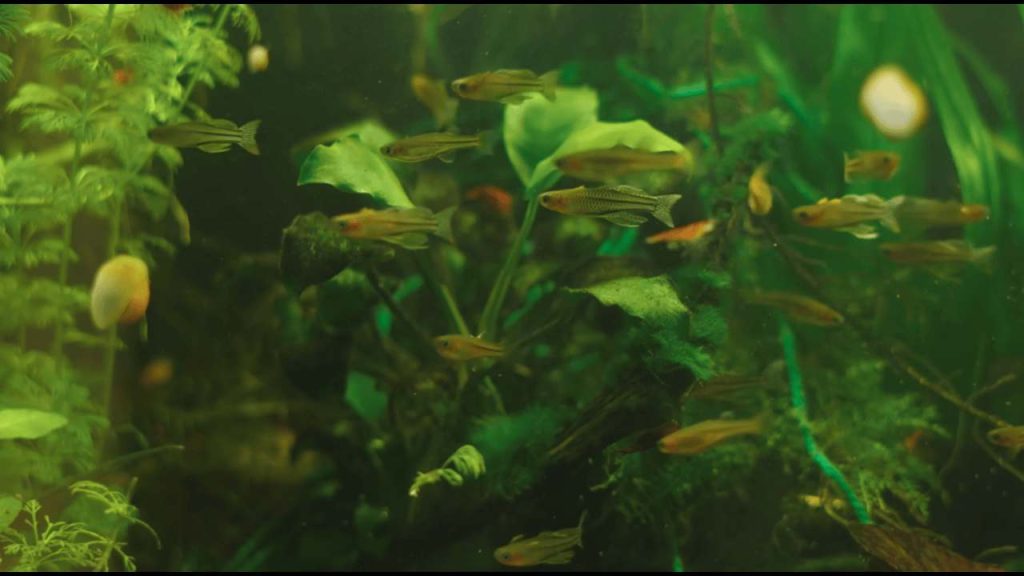
Beginner Aquarium Tank Size at a Glance
A long aquarium that is 20 gallons in size is recommended by many experts to be among the best options for the beginner aquarist.
Although smaller tanks may seem easier to take care of, their water parameters are more prone to fluctuations in a smaller volume of water and can cause problems when the mistake is made in maintenance.
| Aquarium Size | Best Use | Beginner Suitability |
| Under 10 gallons | Plants, shrimp, snails, or special setups | Not ideal for most beginners |
| 10 gallons | One betta fish or a simple setup | Possible, but needs close care |
| 15 gallons | A limited freshwater setup | Good for careful beginners |
| 20 gallons long | Community freshwater aquarium | Best overall choice |
| 29 gallons | More fish options and swimming space | Excellent for beginners |
| 40 gallons and above | Large community aquarium | Great, but costs more and needs more space |
Why a 20-Gallon Long Aquarium Is Often the Best Starting Size
Most new aquarium owners believe that a smaller tank is easier to handle, but this is not always the case, especially when considering some benefits.
First of all, a 20-gallon tank has more water inside. This makes the water parameters more constant. It also means that any problems related to feedings and filtration will have a smaller influence on your fish.
Another important thing is that a 20-gallon long tank provides your fish with more swimming area from side to side. It is good since most freshwater species require a lot of space to swim freely.
Main Benefits of a 20-Gallon Beginner Aquarium
- Stable water conditions
- More space for fish to swim
- There is enough space for decorations
- Filtering is more efficient
- Temperature is easier to maintain
- More fish options to choose from
- Beginners’ mistakes are easy to deal with
- Fewer chances to overcrowd the tank
Of course, there are fish species that do not fit into a 20-gallon tank. It does not mean that you should ignore their requirements anyway.
Small Aquarium Tank Sizes and Their Limitations
The main reason why people prefer smaller tanks is that they occupy less space and may cost less money. However, maintaining smaller tanks may be difficult. In a smaller tank, the accumulation of waste is faster. Moreover, the water temperature may change quickly as well. The uneaten food, fish waste, and drastic changes in the water may lead to problems very fast. That is why the very smallest aquarium tanks are good only for shrimp, snails, plants, or single fish.
The 10-Gallon Aquarium Option
A 10-gallon aquarium may suit beginners in case the tank setup is simple and carefully thought over. It should not be used as a tank for keeping several types of fish. A 10-gallon tank may be perfect for a betta fish or any other single fish. It requires a filter, a heater in case of tropical fish, and regular water testing.
A perfect 10-gallon aquarium must have the following:
- A filter
- A heater for tropical fish
- A thermometer
- An aquarium cover
- A water testing kit
- Water conditioner
- The water changes
- The low level of fish
- A fully cycled tank
Choosing Aquarium Size Around the Fish Plan
The proper way to go about selecting a size for your beginner aquarium is to determine what type of aquarium you will have first. Fish should not be bought before all of their requirements are known. There are some fish that appear to be small in stores but actually get much bigger when fully grown. There are also some fish that prefer to be kept in groups.
The first step would be to determine what type of aquarium you wish to build:
- Single showcase fish tank
- Peaceful freshwater community tank
- Planted aquarium
- Shrimp and snail tank
- Goldfish aquarium
- Species-only aquarium
Once you know which aquarium type to create, research the fish you wish to keep. You need to find out information such as size, activity level, water requirements, social preferences, and level of waste produced. Many fish like tetras, rasboras, danios, rainbow fish, and catfish prefer being in groups.
Avoid the One-Inch-Per-Gallon Rule
The one-inch-per-gallon rule for stocking an aquarium is a very simplistic approach and will not work. It does not take into account the individual needs of various fish. Two fish of the same length will have totally different requirements.
Think of all the following while selecting your fish:
- Adult fish size
- Length and width of the tank
- Behavior
- Sociability
- Power of the filter
- Coverage and hiding places
- Water movement
- Amount of waste
This rule should give you a rough idea but never be used as the only method to calculate the number of your fish.
Essential Equipment for a Beginner Aquarium
The tank size of the aquarium is important; its equipment is just as important. Even a large aquarium can get sick without proper filtration, treatment, and maintenance.
For a beginner aquarium setup, you should consider getting:
- The aquarium itself and its stand
- Filter according to the tank size
- Heater for the tropical fish
- Thermometer
- Conditioner
- Test kit
- Gravel, sand, or substrate with plants
- Plants and safe decorations
- Aquarium lid
- Lamp
- Gravel vacuum/siphon
- Food according to your fish species
A decent freshwater aquarium requires water maintenance, filtration, correct temperature, and tests.
Beginner Aquarium Setup Process
Choose a Stable Location
Ensure that you place the aquarium on a stable and even surface. A full aquarium is very heavy; therefore, you should ensure that the stand can hold the weight of the aquarium safely. Avoid positioning the aquarium near sunlight, windows, heaters, air conditioning systems, and places that could be crowded by people because they might bump it.
Add Substrate, Plants, and Aquarium Decor
Before placing gravel, sand, or substrate inside the aquarium, rinse them first. Place non-toxic and non-sharp decorations in the aquarium, such as rocks and plastic plants. Decorations are important in making the aquarium look appealing and providing the fish with a comfortable living environment. They will act as hiding places for the fish.
Install the Filter and Heater
Install the filter, heater, thermometer, and light according to the manufacturer’s instructions. You need to install the appropriate filter, which matches the size of the aquarium. It is also important to make a drip loop in the electrical cords to prevent any water from flowing into the socket.
Fill and Treat the Water
Add tap water into the tank along with the water conditioner. It will help eliminate chlorine or chloramine, which may be dangerous for fish. Do not put fish in right away. First, the tank has to establish its healthy bacteria.
Cycle the Aquarium Before Adding Fish
Cycling is one of the key things while preparing a new tank. New tanks lack sufficient bacteria, which will help convert ammonia into nitrites and then into nitrates.
Without cycling, high levels of ammonia and nitrites may appear and become toxic to fish. Most of the tanks require at least several weeks of cycling. Do not rely on days; test the waters.
Before introducing fish into your tank, you should make sure that:
- There is no ammonia
- There are no nitrites
- The temperature is stable
- The pH is appropriate
- Nitrate levels are safe
Beginner Aquarium Care After Setup
An aquarium needs to be maintained properly. It does not necessarily mean that you have to do everything every day.
Daily Aquarium Care
Inspect your tank daily.
Ensure that:
- The fish swim around and exhibit normal behavior
- The filter works properly
- The heater works properly
- There is stable water temperature
- The fish are eating well
- No fish are showing signs of breathing difficulties
- There is no uneaten food sitting in the tank
Weekly Aquarium Care
Weekly inspection and maintenance will be required for your tank.
The list of tasks for the week could be:
- Water testing
- Uneaten food removal
- Cleaning visible waste
- Partial water changing
- Cleaning algae off the glass
- Filter flow inspection
- Plants and décor inspection for damage
- Inspection of any symptoms of stress or diseases in fish
Do not make complete water replacement because it can stress the fish.
Common Beginner Aquarium Tank Size Mistakes
Buying the Smallest Tank First
Despite a small tank seeming cheaper and easier to work with, it might actually require more attention than a bigger tank. There will be less water in a small tank, and it can be negatively affected by waste and temperature changes quicker.
Choosing Fish Before Researching Their Adult Size
Do not get fish just because they appear small in stores. A lot of fish will be bigger than you might expect them to become. Make sure to consider adult size, care requirements, community, and behavior when choosing new fish.
Overcrowding the Aquarium
Overstocking is a frequent mistake made by beginners. Overstocking leads to excess waste, which will increase ammonia and nitrate levels, decrease the oxygen content, and stress your filtration system. Lightly stocked tanks are healthier and easier to maintain.
Adding Fish Before the Aquarium Is Cycled
It is not advisable to add fish to an aquarium right after it has been set up. If there was no cycling, your aquarium might have high levels of ammonia and nitrite, which would lead to stress and illness.
Treating Goldfish Like Small-Tank Fish
Goldfish do not belong in bowls. Goldfish are large waste producers that require more space than expected. Goldfish require good filtration and maintenance as well.
Using Tank Size as the Only Stocking Rule
Tank size is important, but not the only factor to consider. There are other factors such as tank design, filtration, activity level, social needs, adult size, and water conditions.
Most Popular Aquarium Tank Size for Home Fishkeeping
A 20-gallon aquarium tank is one of the most sought-after aquarium tanks for beginners.
The tank can fit in many places around your home and allows your fish some extra swimming room. You also get more stability with the water and more choice regarding freshwater fish.
The 29-gallon tank is also a good idea if you have more space and a higher budget. This way, you will get even more room for aquatic plants, decorations, and peaceful community fish.
Big aquarium tanks are easier to keep stable. However, they require sturdy furniture, more water, and higher costs to buy and maintain.
Quick answers
Frequently asked questions
What is the best beginner aquarium tank size?
If we talk about the size that most beginners choose, then a 20-gallon freshwater aquarium will be an excellent choice for them. It offers more water stability, swimming room, and fishkeeping opportunities.
Can a beginner set up a 10-gallon fish tank?
Yes, but it will require some special attention from you. A 10-gallon tank is not easy to take care of due to water condition changes.
Is the maintenance of smaller aquarium tanks easier?
Not necessarily. Smaller tanks may be more difficult to take care of since issues like waste production and temperature change occur quicker.
Is a 20-gallon aquarium too big for a beginner?
No, the 20-gallon aquarium is generally easier to manage than larger ones because of stability and more space for fish.
Which size of the aquarium tank is the most common for household usage?
The 20-gallon aquarium is one of the most common sizes of aquariums for households and beginners.
How many fish can I put into a 20-gallon tank?
It varies depending on many factors such as fish species, maximum size, behavior, efficiency of filters, plant life, and maintenance routine.
Are goldfish suitable for a beginner's aquarium?
Goldfish can be maintained by beginners, but they will not be suitable for a small tank. They require additional space and regular maintenance.
Is it right to introduce new fish on the same day when setting up the aquarium?
No, it isn't right. You should cycle the aquarium first before putting any fish there because of ammonia and nitrite levels.

About the author
Olivia Brooks
I am Olivia Brooks, an expert in freshwater aquariums. Being a fish enthusiast myself, I have learned a lot about how to keep aquariums healthy and very pleasant. At Stardexa, I offer clear and easy-to-read tips on many subjects related to freshwater fish and aquaristics in general. This is what helps fish keepers of all experience levels make better decisions.
Reader Fishkeeping Feedback
Comments, questions, and aquarium reviews
Share your aquarium experience, ask a fish care question, or write a helpful note about tank setup, water quality, filters, algae control, or maintenance for other readers.
No aquarium reviews yet. Be the first to share a helpful review on content or fishkeeping question, setup tip, or care experience.