
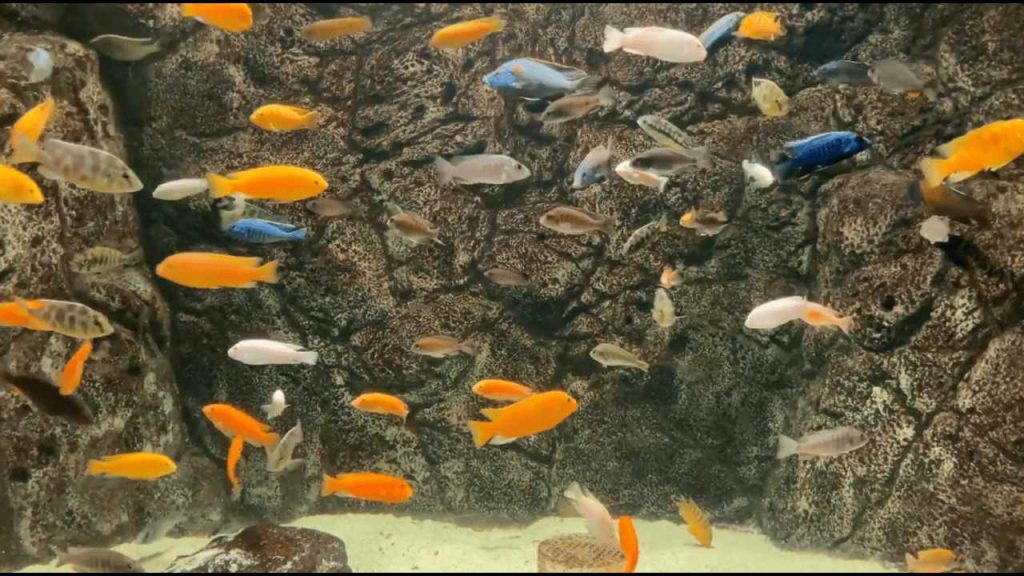
Starter Fish Tank Complete Guide
Starter aquarium fish tanks are beginner-oriented aquariums that are properly designed before adding any fish in them. Such tanks require enough space, filters, clean water, appropriate temperature, proper light, and easy-to-do maintenance.
First and foremost, the thing you should always remember is never get your fish and introduce them to your newly bought tank on the same day.
Your aquarium will take some time to form healthy bacteria in the filter. Such bacteria will decompose fish excretions and make your water cleaner. In case they haven’t formed yet, the levels of dangerous substances such as ammonia and nitrite will raise rapidly.
An ideal starter aquarium is not always a small or inexpensive aquarium. A more suitable aquarium will provide stability in water parameters, convenient cleaning, and adequate space for the fish.
Why a Starter Aquarium Fish Tank Needs Planning First
Most problems that beginners encounter arise from the haste at which they prepare the aquarium. Even if the tank seems nice and clean to the naked eye, the water inside may be very dangerous to the fish.
Water that appears clear to the eye doesn’t mean that it is safe. There could be harmful substances in the water. This is why it is necessary to have a test kit for all beginner aquariums.
An ideal beginner aquarium fish tank incorporates four major components:
- Species of fish one wants to keep in an aquarium
- Tank size
- Proper filtration and healthy water conditions
- Care schedule
Various fish species have varied requirements. Some fish require warm water while others prefer to be kept in groups. Other types of fish require plenty of room to swim and might be very territorial.
This is why it is always good to choose your fish first before preparing the tank.
Starter Aquarium Fish Tank Checklist
Prior to setting up your fish aquarium tank, ensure that you have all of the below-listed items:
| Item | Why You Need It |
| Aquarium with lid | Limits evaporation, prevents dust from entering, and helps prevent fish from jumping. |
| Tank stand | Provides a flat and stable surface because a fully filled fish tank is heavy. |
| Filter | Serves the purpose of water circulation and bacteria maintenance. |
| Water conditioner | Makes tap water suitable for keeping fish by getting rid of toxic chemicals. |
| Water test kit | Serves to determine levels of ammonia, nitrite, nitrate, and other parameters. |
| Thermometer | To measure water temperature. |
| Heater | If you want to keep tropical fish that need warm water. |
| Aquarium light | To see your fish well and to provide conditions for living plants. |
| Gravel or substrate | Covers tank bottom and helps plants and beneficial bacteria grow. |
| Safe decorations or plants | Provides hiding spots and a natural look for an aquarium. |
| Gravel vacuum | Helps to remove waste from the tank bottom. |
| Fish net and clean bucket | For cleaning and catching fish safely. |
A filter provides a habitat for some beneficial bacteria that play an essential role in maintaining healthy waste control in the aquarium.
If the filter becomes inefficient, is cleaned with excessive violence or simply loses its beneficial bacteria, then the quality of the water may become hazardous.
How to Set Up a Starter Aquarium Fish Tank Step by Step
Step 1: Choose the Fish Type Before Buying the Tank
The choice of the type of fish tank is an essential part of preparing for purchasing one. One might prefer having a freshwater community aquarium, a school of several fish, a tank for a single specimen, or a tropical aquarium. All of them require a different set of conditions.
But prior to choosing fish, it is necessary to consider the following characteristics of a fish:
- Its maximum size
- Water temperature requirements
- Its tendency to isolate or live in groups
- Being a peaceable or aggressive creature
- Possibility to coexist with other fish species
- Requirements for specific habitats such as caves, plants, open spaces, or fast-moving water.
Do not buy a particular fish because of its beauty in a store. There may be fish species that grow to great sizes in the aquarium, those that need to be in groups and cannot live with other types of fish. While it is better to plan everything prior to going to the store and buying an aquarium.
Step 2: Choose a Tank That Supports Stable Water
Do not use small bowls, jars, or even novelty tanks to house your fish permanently. The smaller the tank, the sooner it will get dirty. The temperature changes rapidly in small tanks, and there is normally limited filtration room. Hence, fishkeeping becomes complicated.
Slightly larger aquariums prove to be better since water remains stable there.
While selecting an aquarium fish tank to begin with, consider:
- Length of the aquarium tank
- Swimming room
- Filtering room
- Size of adult fish
- The number of fish that you plan on keeping
- Plants and decorating the room
A longer aquarium tank is always preferable to a taller one when keeping active fish.
Step 3: Pick a Safe Aquarium Location
It is important to select a proper location for your aquarium.
Select a surface that can support the weight of the aquarium safely. Make sure that the tank is away from windows with direct sunlight, air conditioning vents, loud speakers, heavy doors, kitchen areas with high temperatures, and other noisy areas.
The placement of your tank should be such that it avoids these places:
- Windows exposed to direct sunlight
- Speakers or machines that vibrate
- Heavy doors
- Kitchens exposed to heat and smoke
- Places where kids or pets can bump into it
Sunlight causes excessive growth of algae and raises the temperature of water. A safe placement ensures consistent water conditions.
Step 4: Rinse the Tank, Substrate, and Decorations
Prior to adding water to your tank, rinse the gravel, stones, and decorations in clean water. Make sure not to use any cleaning products, perfumes, detergents, or other chemicals in the aquarium. These products will be toxic to your fish.
Add the substrate first and then add the bigger ornaments. Take care that the rocks and ornaments do not fall off. If you have added live plants, provide them enough space.
Step 5: Install the Filter, Heater, Thermometer, and Light
Set up your equipment based on the instructions included with the product.
To set up a tropical freshwater aquarium, you would normally require the following:
- A good filtration system
- A heater with a thermostat
- A thermometer
- Aquarium lighting
Make sure that the filter works all the time. In fact, the filter is an essential part of any aquarium since it provides the water with circulation and helps develop helpful bacteria.
Use the thermometer to measure the real temperature of the water. Don’t rely solely on the settings of the heater.
It’s recommended to provide daily light exposure for a specific period of time. This can be done using a timer. Leaving the lights on all day long and at night may result in algae formation.
Step 6: Fill the Aquarium With Treated Water
Ensure that you fill up the tank slowly without causing the gravel and decor items to get displaced around.
Condition your water with a conditioning agent since tap water might have chlorine or chloramines that might affect your fish and bacteria.
Once the tank is filled up completely, switch on the filter and heater if your fish requires heated water.
Look out for any of the following:
- Leakage
- Any strange sound coming from the filter
- Poor water circulation
- Temperature instability
- Loosely attached accessories
Make sure that all systems operate well before proceeding to the next stage.
Step 7: Cycle the Aquarium Before Adding Fish
The cycling process happens to be one of the most critical processes in setting up the aquarium for freshwater fish. Fish excretion produces ammonia. The ammonia is toxic for the fish. Bacteria within the filter convert ammonia to nitrite and then to nitrate.
Ammonia and nitrites are toxic to the fish. The nitrate is relatively harmless, but it still needs to be controlled through frequent water changes. As far as a beginner is concerned, fishless cycling is always the best choice.
During the cycling period:
- Keep the filtration system operational at all times.
- Test the water frequently.
- Test the ammonia, nitrite, and nitrate.
- Do not introduce the fish prematurely.
- Do not rely solely on the number of days the tank has been running.
The readiness of the tank cannot be determined by the number of days that have passed since the setup. It should be done by the results of the tests of the water.
Introduce fish only when ammonia equals zero and nitrite equals zero.
Step 8: Add Fish Slowly and Carefully
If your aquarium has been fully cycled, introduce fish gradually. Do not buy all the fish at once. Introducing a large number of fish at once would burden the filtration system and create a bad water environment for your fish.
First, introduce a small number of suitable fish. Then monitor the water quality and fish behavior and introduce more fish if required.
When introducing fish from the pet store, allow some time for the fish to acclimate to the conditions in the aquarium. Keep the lights dim when introducing new fish because strong lighting can stress the fish.
Also, always make sure the new fish introduced are compatible with the fish already in the tank.
The Best Beginner Strategy: Build the Tank Around the Fish
Your first aquarium must be thought out in terms of your fish and not in terms of its capacity alone.
There are no hard and fast rules applicable to all kinds of fish. Some fish produce more waste than others. Some fish require larger spaces. While some fish thrive when kept in schools, other fish should be kept solitary.
Ask yourself these questions before purchasing any kind of fish:
- How large does this fish grow?
- Does it require warm or cold water?
- Does it require living in schools?
- Is it peaceful or territorial?
- Does it feed on smaller fish/shrimps?
- Does it require plants, hideouts, or open spaces?
- Will it grow too large for your aquarium?
- Does it require fast-moving water or slow water?
These basic steps will help you to avoid common pitfalls faced by novice aquarists.
Don’t rely upon outdated formulas such as “an inch of fish per gallon.” Much more than length matters in fishkeeping. The shape of the tank, water quality, size as an adult, activity, and waste are equally important.
Simple Starter Aquarium Fish Tank Care Routine
Maintaining a fish tank is not a complicated routine. But there is a necessity for its maintenance.
Little things done often are much better than leaving the aquarium messy or sick.
Daily: 2-5 Minutes
To examine the aquarium daily, do the following:
- Does the filter work?
- Is the temperature okay?
- Are the fish swimming well?
- Are the fish hiding too much?
- Are some fish gasping at the top?
- Is there uneaten food in the tank?
- Is there fin damage or other symptoms of sickness in the fish?
Feed the fish with little food. The overfeeding is the most widespread cause of the polluted water and problems with the fish. While the uneaten food can decompose in the tank and add more waste to it.
Weekly: Water Quality and Cleaning
Check your aquarium once a week using a little extra time for it.
Your weekly activities will include:
- Ammonia and nitrite testing
- Nitrate testing
- Ph if necessary for your fish
- Partial water change
- Gravel vacuuming
- Glass cleaning
- Filter water flow check
When making partial water changes, always use treated water. Try to equalize the temperature of the water being poured into your aquarium.
Do not replace the whole volume of the water at one time except in emergencies. Partial water changes are safer because they ensure the stability of the aquarium.
Monthly: Equipment and Aquarium Inspection
Each month check the condition of the entire aquarium equipment. Check the following:
- Filter condition
- Heater condition
- Temperature on a thermometer
- Aquarium cover
- Air tubing and pipes
- Water flow
- Condition of plants
- Size and behavior of fish
- Presence of leaks
Remove dead leaves from the plants and damaged decorations.
At the same time, consider whether your fish have enough place to swim now. Fish grow up, and an aquarium that was comfortable in the beginning may become too small.
Cloudy Fish Tank Water in a New Aquarium: What It Usually Means
It is normal for a new tank to have cloudy water, but you should not just forget about this condition. It may be caused by gravel dust, algae, bacteria changes, overfeeding, or ineffective filtration. Keep in mind that not all clear water is good, and not all cloudy water is bad. The only method to learn the reason is to check your water.
White or Milky Cloudy Water
The milky or white color of the water is a natural thing for new tanks. It occurs due to changes in bacteria within the aquarium. Nevertheless, you should test your water anyway.
Check the following parameters:
- Ammonia content
- Nitrite content
- Filter efficiency
- Amount of feed given
- Fish population
- Waste caught in the gravel
Do not put new fish in the tank until the water tests are normal.
Green Water
Green water may appear due to the presence of floating algae. It might occur due to excessive lighting, excessive feeding, direct sunlight, or excess nutrients.
How to solve green water problems:
- Move your tank away from the sunlight
- Minimize excessive lighting
- Do not overfeed the fish
- Perform partial water changes regularly
- Check the level of nitrates
- Balance plants and filtration
Brown or Dusty Water
Brown or dusty water occurs due to the presence of fine gravel particles, driftwood, or stirred up waste material on the bottom of the aquarium.
Sometimes, the driftwood may give off its brown color naturally to the water. This is usually harmless, but you need to keep an eye on water quality.
Allow a proper filtration process. Do not stir up the gravel unnecessarily. You may use fine filter media if required.
Common Starter Aquarium Fish Tank Mistakes to Avoid
Adding Fish Before the Tank Is Cycled
One of the most common mistakes that beginners make. Sometimes a new tank seems fully prepared, but the filtration system might lack beneficial bacteria. It may result in ammonia or nitrite issues.
Better way: Do not put any fish into the tank until it undergoes cycling. Test the water and wait for ammonia and nitrite levels to be equal to zero.
Buying Fish Based Only on Appearance
Some fish species look small and harmless in stores, but they may grow big, require keeping in groups, or get aggressive.
Better way: Learn all details about each fish species before purchasing it.
Using a Tiny Bowl as a Permanent Aquarium
Small bowls tend to fluctuate greatly. Sometimes they lack filters or an appropriate amount of water.
Better way: Find an appropriate aquarium with appropriate parameters and a filtering system.
Overfeeding
Overfeeding results in quick contamination of water in the tank. Decaying food contributes to the formation of toxic substances, which may cause cloudy water and unpleasant odor.
Better way: Provide fish with small amounts of food and observe the process of its eating.
Replacing Everything During Cleaning
There are some beginners who change all filter media, thoroughly clean the entire tank, and change all water at one time. This method will result in losing beneficial bacteria and making the tank unstable.
Better way: The right method is to be cautious and do partial water changes without changing all filter media at one time.
Treating Clear Water as Proof of Safety
It may appear that a fish tank is clean when actually there is dangerous ammonia or nitrite in the water.
Better way: use water test kit. This is more reliable than visual.
What to Look for in an Aquarium Fish Tank Kit
Aquarium fish tank kits can be a great option for beginners since they contain a tank, lid, light, and filter. However, a kit may not be completely full.
A good aquarium fish tank kit should have:
- A good tank with a lid
- A good filter
- Lighting
- Availability of filter media
- Room for a heater
- Instructions on how to set up
Additional items that might be required include:
- Conditioner for the water
- Test kit for water
- Thermometer
- Heater for the fish
- Gravel vacuums
- Gravel or any other substrate
- Decorations for the aquarium
- Fish food appropriate for your fish
Before purchasing a kit, ensure that the filter provided in the kit is appropriate for your tank. Make sure you will be able to get the filter media in the future too.
Quick answers
Frequently asked questions
What should beginners know about their starter fish tank aquariums?
Beginners should keep in mind that apart from fish and water, an aquarium requires good filtration, treated water, appropriate temperature, tests, safe cleaning, and fish that would fit the tank. An aquarium should be cycled prior to adding any fish.
What should beginners know about fish aquarium tank setup?
A fish tank aquarium setup starts with choosing the kind of fish. After that, one must decide on the size of the aquarium, place a filter and other equipment, treat water, cycle the aquarium, test water, and introduce fish gradually. Rushing the process of setting up an aquarium is not recommended.
What should beginners know about freshwater aquarium fish tank setup?
A freshwater aquarium fish tank setup may become a good way to start for beginners. Every fish, nevertheless, has some specific requirements. Temperature, tank size, water parameters, filtration, nutrition, and decorations have to suit the fish you will get.
What are the basic things to understand regarding an aquarium fish tank kit?
The aquarium fish tank kit can help make the setup easy, as it can contain the tank, light, cover, and filter. But even the kits will have other materials that will be needed, like the water testing kit, the water conditioner, the thermometer, and cleaning equipment, among others.
Why is the water of my new aquarium cloudy?
The cloudy water of the new aquarium can be due to several reasons, like dust from the gravel, overfeeding, a poor filtration system, algae, and a change in bacteria, among others. Check the ammonia and the nitrite levels first before doing anything else.
Is it possible to put the fish into my newly purchased aquarium after only one day?
No, the newly bought aquarium is not ready yet within just a day. Your tank requires time to create beneficial bacteria in the filter. Only when your aquarium has finished its cycle and you have checked water for no ammonia and nitrites should you put the fish into it.
How often should I change the water in a beginner aquarium?
This can depend on the fish, the number of the fish, the quantity of food, and water test results. Most beginners prefer to perform water changing regularly, not waiting until the water gets dirty.

About the author
Chloe Adams
I'm Chloe Adams, a beginner aquarium expert and writer for Stardexa with more than 11 years of experience in the field of fishkeeping. As many beginners find aquariums hard to comprehend, I've kept learning, practicing, and sharing all the basic information from choosing the right aquarium to cycling it, filtering it, feeding the fish, and taking care of water quality as well as maintaining it regularly. My aim is to ensure each novice fishkeeper knows how to turn his/her aquarium into a pleasant and healthy habitat for fish.
Reader Fishkeeping Feedback
Comments, questions, and aquarium reviews
Share your aquarium experience, ask a fish care question, or write a helpful note about tank setup, water quality, filters, algae control, or maintenance for other readers.
No aquarium reviews yet. Be the first to share a helpful review on content or fishkeeping question, setup tip, or care experience.