
Beginner Kit: Complete Aquarium Guide
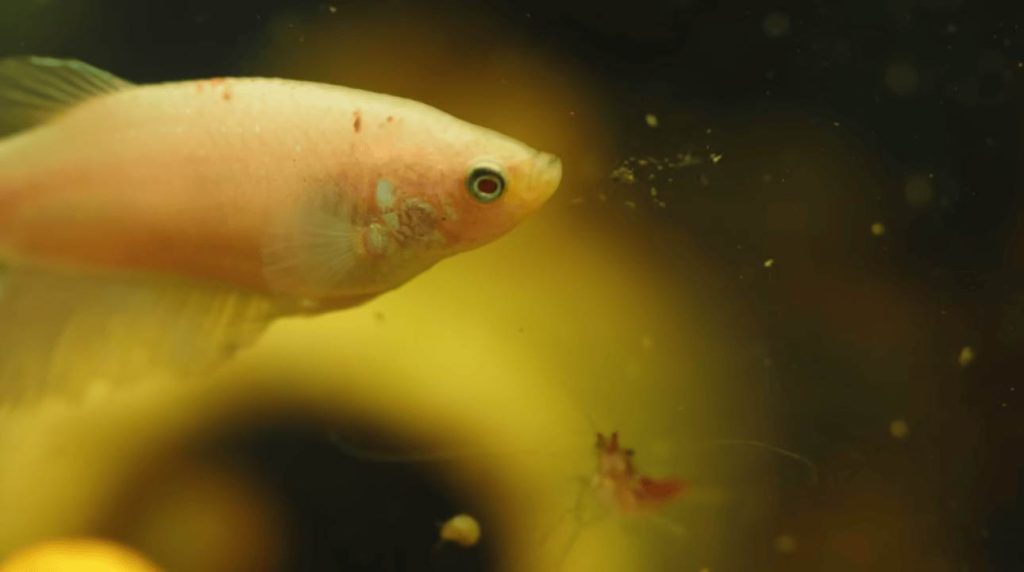
An aquarium beginner kit is a collection designed for beginners who are going to keep fish. Usually, a typical starter kit includes an aquarium, filter, cover, and light source. In some cases, starter kits may have a heater and other accessories.
But to have a completely set-up aquarium, one will need to add several things to it. It should include water conditioner, thermometer, water testing kit, gravel or sand, siphon for cleaning, fish food, and decorations.
When choosing the best aquarium starter kit, one should not think only about its size and price of it. A good starter kit should help to maintain the water parameters properly and give enough space to fish.
Before keeping fish in an aquarium, it should be prepared and cycled. Such cycling allows beneficial bacteria to develop inside the filter. Bacteria decompose fish waste and remove dangerous elements from water.
Why Choosing the Right Aquarium Kit Matters
Although it looks like a box of water, in actuality, an aquarium is a living ecosystem. The fish require clear water, constant temperature, sufficient oxygen, appropriate size and maintenance.
Selection of the proper aquarium kit allows avoiding lots of potential troubles in the beginning. Novice aquarists face problems related to cloudy water, algae formation, stressed fish, poor filtration, and high ammonia concentration. With the right selection, it would be possible to avoid these situations.
The slightly bigger aquarium is simpler to handle than the very small one. Small tanks have unstable water parameters and quickly changing conditions, while in the larger one, they remain relatively stable.
Do not select an aquarium due to its appearance. Consider the species of fish, their future size, their gregariousness, and your capability to take care of them every week.
What Should Be Included in an Aquarium Beginner Kit?
Not all the aquarium kits contain the same number of accessories. Therefore, it is important to check the description of a specific product.
| Equipment | Why You Need It |
| Aquarium tank | Gives enough space for the fish to swim and live in |
| Filter | Removes waste and promotes good bacteria |
| Cover lid | Limits the process of evaporation and stops fish from escaping |
| Lighting in the aquarium | Gives an easier visibility of fish and provides suitable plants |
| Heating equipment | Helps to maintain warm water for tropical fishes |
| Thermometer | Allows you to monitor the temperature of water |
| Sand or gravel | Creates a natural floor for the aquarium |
| Conditioner | Safes the tap water for the fish |
| Test kit for water | Tests the level of ammonia, nitrite, nitrate, and other water contents |
| Vacuum cleaner for the aquarium | Helps to eliminate waste while changing water |
| Bucket of the aquarium | Makes it easier to change the water |
| Food for the fish | Meets the requirements of your fish |
Most of the starter aquarium kits lack some components you will require. You might need a separate purchase of the water testing kit, water conditioners, gravel vacuum, substrates, thermometers, aquarium decorations, and fish feed, among other components.
How to Set Up an Aquarium Beginner Kit Step by Step
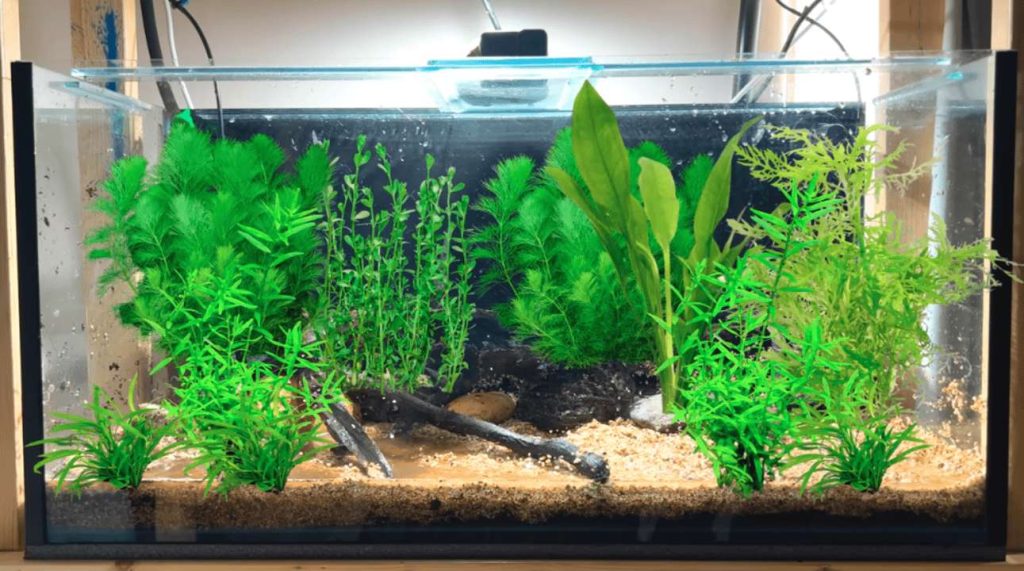
1. Choose Your Fish Before Choosing the Tank
Do not choose a fish just because it is colorful or attractive to you. Different fish have varying requirements.
There are fish which will thrive in warm temperatures while others in cool temperatures. Some require living in schools, while others require space or hiding. The small-sized fish will be good for your first aquarium, while the big ones will require bigger aquariums.
Learn about the adult size, behavior, diet, water requirements, and the nature of living together of the fish you want to keep before purchasing your aquarium kit.
2. Select a Safe Place for the Aquarium
Select a suitable surface for the placement of the aquarium. Do not forget about the fact that when the aquarium is completely filled with water, it will become very heavy.
The place where you will keep the aquarium should have an opportunity to connect electrical appliances, as well as easy access to the water source. It should also be a rather calm place, away from bumps and shocks.
The aquarium must not be located in places exposed to direct sunlight. Such exposure leads to excessive growth of algae and rapid heating of the water.
3. Rinse the Gravel and Decorations
Before using the gravel, stones, or decoration, wash them in clean water.
Do not use soaps, cleaning agents, or any other chemicals in the aquarium equipment. Just a drop of chemical substance will affect the health of fish.
Use decorations with soft surfaces. The sharp things will injure the fins of fish. The creation of caves and plants will give fish additional shelter.
4. Install the Filter, Heater, and Thermometer
Install the filter as described in the manual of your aquarium set. A filter is one of the key elements of an aquarium, which allows it to maintain cleaner water and create conditions favorable for the development of useful bacteria.
In case you want to keep tropical fishes, install the aquarium heater and set its temperature accordingly to the species you have.
Put the thermometer into the tank and make sure that the water temperature is appropriate. Any temperature changes can stress the fish; thus, it is necessary to keep the water temperature stable.
5. Fill the Tank With Treated Water
Pour the tap water into the aquarium and use the water conditioner. It is needed to eliminate harmful chlorine or chloramine from the water.
After filling the tank, switch on the filter, heater, and light. Let the equipment operate and make sure that everything works appropriately.
Check whether the filter creates appropriate flow of the water and the heater keeps the water temperature stable.
6. Cycle the Aquarium Before Adding Fish
Cycling plays an essential role in creating the aquarium starter kit setup.
An aquarium that is brand new will lack beneficial bacteria necessary to break down fish wastes. Good bacteria form as part of the cycling process and help to convert harmful ammonia into other compounds.
The best way to go about this step is through a fishless cycle. It ensures that the tank has a healthy bacterial environment even before introducing any fish into it.
This step takes several weeks. Be patient. Rather than sticking to certain days, monitor the levels of ammonia and nitrite in your water through a test kit before you introduce fish.
7. Add Fish Slowly and Carefully
When you are sure your aquarium has completed its cycle and the results of testing are acceptable, you can begin to add fish.
Avoid adding too much fish at once. It will be too much waste for the filter to process.
Begin with the small amount of appropriate fish and watch them during the first weeks of their life. Check whether your fish are swimming, breathing, eating and feeling comfortable.
Simple Aquarium Care Routine for Beginners
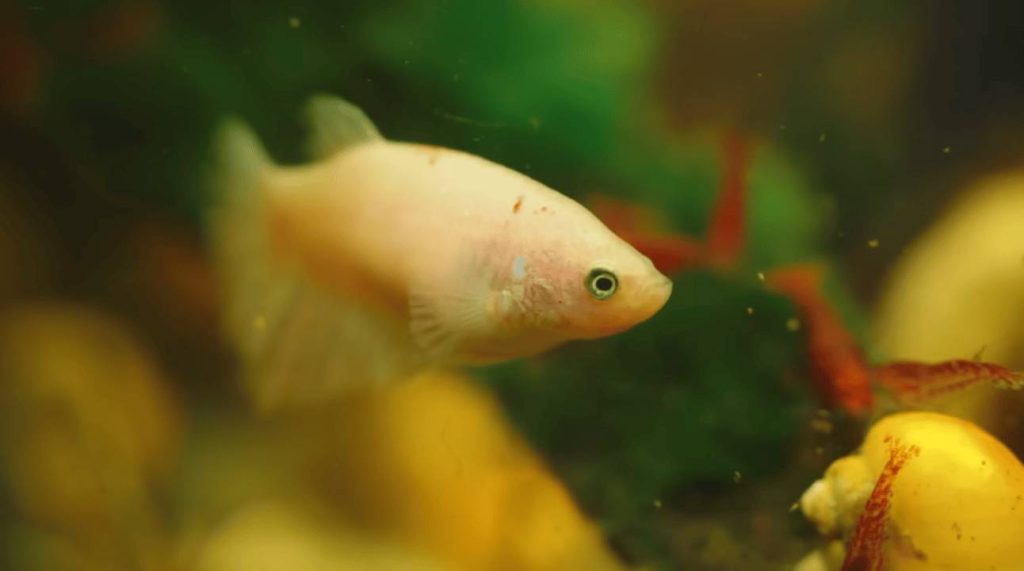
An aquarium will not require a lot of laborious daily maintenance, but it does require routine maintenance. Little tasks will help avoid big troubles in the future.
Daily Aquarium Care
- Ensure the filter, heater, and lights are functioning properly.
- Look out for unusual behavior in your fish.
- Make sure your fish are feeding properly.
- If there is excess food, you should clean it up from the tank.
- Observe if there are any hiding fish, rapid breathing, or strange swimming patterns in your fish.
Weekly Aquarium Care
- Conduct water testing in your aquarium.
- Look out for ammonia, nitrite, nitrate, pH levels, and temperature.
- Change a certain amount of old water.
- Vacuum the substrate to remove debris from the bottom of the tank.
- Fill the tank with new water at a similar temperature.
- Inspect the filter for dirt or blockage.
A weekly partial water change (about 20% to 25%) is recommended for many beginner aquariums.
Monthly Aquarium Care
- Examine the filter and tubes.
- Scrub off the algae from the aquarium glass.
- Prune plants if you have live plants.
- Ensure that the heater and thermometer are still functioning well.
- Observe your fish to ensure that they have enough space as they grow.
Do not clean the filter media with untreated tap water. Untreated tap water will affect the useful bacteria that are present in the filter. Instead, clean the filter media gently using the old aquarium water that you collected when changing water.
Common Aquarium Beginner Kit Mistakes to Avoid
Adding Fish Too Soon
Clear water is not necessarily safe water. The newly set-up aquarium might appear to be fine, but ammonia or nitrite may be present.
Always cycle the aquarium and check the water before introducing fish.
Buying a Tank That Is Too Small
Small tanks are hard to maintain since the quality of the water may fluctuate easily.
Select a tank that will suit the adult size and requirements of your fish.
Overfeeding Fish
Too many foods will cause waste products in the aquarium. This may result in cloudy water, bad smells, algae formation, and unsafe water conditions.
Always feed the quantity that your fish can eat within a few minutes. Remove any excess food as required.
Washing the Filter Too Aggressively
The filter is responsible for cleaning more than just the dirt in the aquarium. The filter will also contain beneficial bacteria.
Never change the whole filter media unless necessary. Excessive cleaning or changing the filter media may upset the balance of the aquarium.
Adding Too Many Fish at Once
If you introduce too many fish at one time, you will cause excessive waste to accumulate.
Fish should be introduced gradually to allow your aquarium to adapt to them.
Replacing Evaporated Water Instead of Doing Water Changes
Putting water back into an aquarium due to evaporation does not amount to water change.
The water evaporates from the aquarium, leaving behind waste and other particles.
How to Choose the Best Aquarium Kit for Beginners
While selecting an aquarium kit for beginners, consider choosing a practical, stable, and maintainable aquarium setup.
This checklist will help you while shopping:
- Select a tank size that fits the kind of fish you wish to have.
- Select a tank kit that includes a working filter.
- See whether you require an aquarium heater in case you have tropical fishes.
- Find out if there is a cover for your tank along with suitable tank lighting.
- Select a tank with filter cartridges that can be easily replaced.
- Also reserve some budget for water conditioner, water testing kits, gravel, feeding, and cleaning supplies.
- Select tanks with maintenance-friendly equipment.
- Make sure that you know about your fish first.
- Do not overcrowd your tank.
The best aquarium tank for beginners is the one that will help in maintaining stable water conditions and provide your fishes with enough space.
Quick answers
Frequently asked questions
What should the beginner know about a beginner aquarium kit?
A beginner aquarium kit is a great start, yet far from all that is needed. You still have to get water conditioner, a test kit, cleaning equipment, appropriate food, and maintain regular care.
Is there everything necessary in the starter aquarium kit?
No, starter aquarium kits usually contain an aquarium, a filter, a cover, and lighting. It may be necessary for you to purchase a test kit, water conditioner, gravel vacuum, substrate, thermometer, decorations, and fish food separately.
How much time should elapse before putting fish into the new aquarium?
You have to wait until the aquarium goes through the cycling procedure and you get safe results of testing your water for ammonia and nitrites. The time spent on this can vary.
Do I need a heater in my aquarium kit?
The presence of a heater is necessary when you are planning to keep tropical fish. The heater is unnecessary if you decide to have cold-water fish.
What is the best beginner aquarium kit?
The best beginner aquarium kit contains the appropriate size tank, filter, cover, light, and replacement components that are readily available. The beginner aquarium kit also needs to be appropriate for the fish you want to raise.
When can I introduce fish into the tank?
Fish introduction on the same day when setting up the aquarium is not recommended. It is advisable to set up the tank, condition water, power all the equipment, cycle the aquarium, and test water.
When do I clean my beginner aquarium?
A daily check and weekly water testing and water change will be required. It depends on the fish you have raised in the aquarium, tank capacity, filters, and others.

About the author
Chloe Adams
I'm Chloe Adams, a beginner aquarium expert and writer for Stardexa with more than 11 years of experience in the field of fishkeeping. As many beginners find aquariums hard to comprehend, I've kept learning, practicing, and sharing all the basic information from choosing the right aquarium to cycling it, filtering it, feeding the fish, and taking care of water quality as well as maintaining it regularly. My aim is to ensure each novice fishkeeper knows how to turn his/her aquarium into a pleasant and healthy habitat for fish.
Reader Fishkeeping Feedback
Comments, questions, and aquarium reviews
Share your aquarium experience, ask a fish care question, or write a helpful note about tank setup, water quality, filters, algae control, or maintenance for other readers.
No aquarium reviews yet. Be the first to share a helpful review on content or fishkeeping question, setup tip, or care experience.