
Are Freshwater Aquarium Shrimp Good for Beginners?
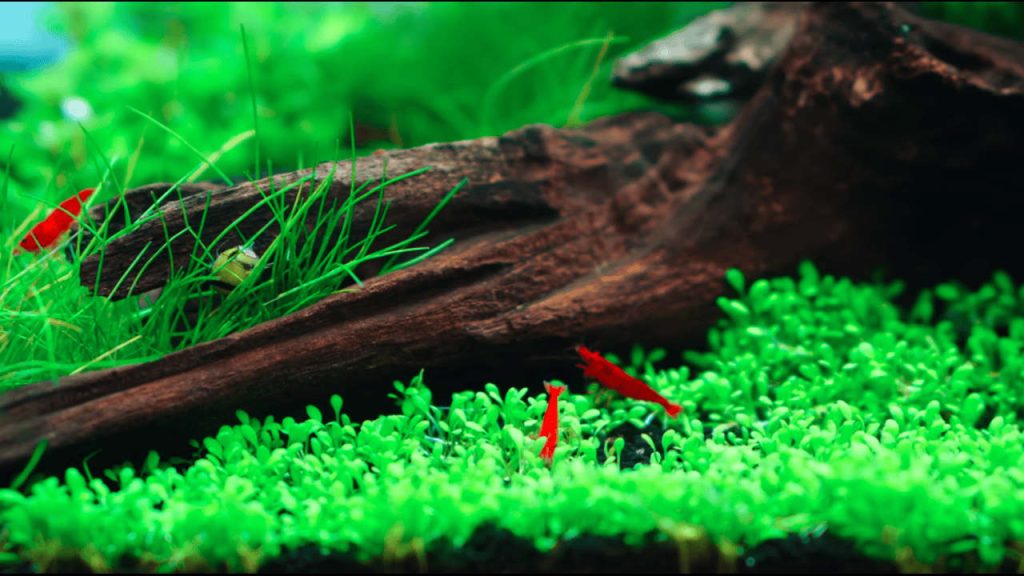
Yes, shrimp for freshwater tanks are a good pick for beginners. Small, peaceful, and beautiful creatures, shrimp are interesting to observe. Yet, they require clean and constant water conditions in order to thrive.
For those who start with shrimp, the first choice should be the Neocaridina genus. It includes such popular shrimp species as red cherry, blue dream, yellow, orange, black rose, and rili shrimp.
All the rules are quite easy to remember:
Never introduce shrimp into a newly established tank.
Before introducing the first shrimp, the aquarium needs to be cycled. It means that ammonia and nitrite levels should be zero. Even an established tank may be dangerous because of unstable water conditions.
There is no need for special equipment for shrimp. They don’t require complex care. Just some patience and constant observation will be enough.
Why Freshwater Aquarium Shrimp Matter in Beginner Aquarium Guides
Freshwater shrimps are favored as pets due to their ability to bring color into small aquariums. These shrimp spend most of their time traveling across vegetation, rocks, wood, and glass looking for food.
The shrimp feed on soft algae, biofilms, small bits of food, and decomposed plants. Although such a diet helps to clean the aquarium, shrimp cannot be used for cleaning purposes since they cannot take the place of regular water changes and filtering.
Another benefit of having a shrimp-only tank is learning about the importance of water quality for the health of your pet. The shrimp are small and sensitive to rapid changes in their environment, which cause stress.
A healthy shrimp colony is often the sign of good maintenance of the tank since healthy shrimp move around, actively feed, molt, and breed.
A shrimp-only aquarium is simpler to maintain than the fish-and-shrimp one. Fish often eat the shrimp babies, while certain types of fish cause stress to adult shrimp as well.
Best Aquarium Shrimp for Beginners: Start With Neocaridina
For beginners, Neocaridina are the safest choice since they are relatively tough and more easily available compared to other varieties.
Some of the common Neocaridina shrimps are the following:
- Red cherry shrimps
- Blue dream shrimps
- Yellow shrimps
- Orange sakura shrimps
- Black rose shrimps
- Rili shrimps
Neocaridina shrimps can tolerate different kinds of freshwater environments. Even so, the stability of water is more important than the achievement of an exact pH level. It is recommended to purchase shrimp from local breeders or stores where they are kept in water similar to that of yours. Shrimps cannot easily adapt to sudden changes in water conditions.
When breeding shrimp for one single color, use the same color of shrimp. Different colors of Neocaridina shrimps can reproduce with each other. In the future, their offspring can become either brownish, transparent, or multicolored. Mixing colors will be alright if you are just interested in having a show aquarium. But this should not be your choice if you want to have good red, blue, yellow, or black shrimp.
The 3-Gate Shrimp Readiness Check
When getting freshwater aquarium shrimp for novices, be sure that you have the following three things checked in your aquarium before purchasing the shrimp.
1. Water Safety Gate
Your aquarium water should have:
Ammonia: 0 ppm
Nitrite: 0 ppm
Nitrate: low and controlled
The levels of ammonia and nitrite are very toxic for shrimp. The cycle is an essential process through which your aquarium has enough bacteria in the filter and substrate. They convert toxic waste products into much less toxic nitrate.
It takes some time to complete the cycling process. It cannot be determined by the number of days your aquarium has been operating. Make a test of the water using a kit to see if it is safe.
2. Stability Gate
Shrimp can tolerate different water parameters; they don’t appreciate abrupt changes. Don’t make radical modifications of water parameters such as pH, temperature, GH, or KH. Doing too much too quickly will only put unnecessary stress on your shrimp.
To find out whether you have suitable water parameters for your shrimp before buying some of them, make sure you check the following:
- Temperature
- pH
- General hardness, which is also referred to as GH
- Carbonate hardness, known as KH,
- Ammonia
- Nitrite
- Nitrate
The thing is that you don’t have to get the perfect values here. It would be much better to have stable water parameters rather than to make changes to the water every day.
Habitat Gate
Your shrimp will require more than just clean water in order to live a happy life in your aquarium.
The best shrimp aquarium decorations are:
- Java moss
- Floating plants
- Driftwood
- Rocks
- Shrimp tubes and caves
- Plants
This can be done since plants and moss help provide the shrimp with places to hide. In addition, they help collect the biofilm, which the shrimp find tasty. The sponge filter happens to be the best type of filter in a beginner shrimp tank since it provides slow-moving water and protection for the little shrimp.
In case there is an alternative filter, it is necessary to put a sponge pre-filter on its intake in order to protect the tiny shrimp from being sucked into it.
How to Set Up a Beginner Shrimp Aquarium Step by Step
Step 1: Choose a 10-Gallon Aquarium
A five-gallon tank can be suitable for shrimp, it is much better for beginners to go with a 10-gallon aquarium. More water means that things in the tank will change slower and you have enough time to solve any arising problems.
Moreover, more water in the tank gives shrimp more space for plants, moss, hiding spots, and offspring. It might seem simple to have a small tank, but it requires much more effort and time to be able to maintain it properly.
Step 2: Add Gentle Filtration and a Thermometer
Select a filter that will create a low water current. Sponge filters are best because they are safe, easy, and cheap to maintain. Include a thermometer in your tank and measure the temperature on a daily basis. Shrimps do not like quick changes in temperature.
You may have to install a heater depending on the temperature in your room and how much it fluctuates at nighttime. You should not heat your tank but try to stabilize it.
Step 3: Use Shrimp-Safe Substrate and Hardscape
Use an ordinary substrate like sand, gravel, or a planted-tank substrate that is safe for shrimp. Then, use natural elements that will provide hiding places for the shrimps. Driftwood, rocks, mosses, and live plants are good choices.
It is better to avoid using any kind of decorations that have not been tested before. Some of them can influence water hardness or pH. The shrimp aquarium for a beginner should be basic and manageable.
Step 4: Fill With Treated Water
Apply a water conditioner in case you are going to use tap water for your aquarium. It will help you get rid of chlorine and other dangerous elements. Before adding shrimps, conduct a water test. Thus, you will find out the characteristics of your usual tap water.
You should know your:
- Nitrate
- pH
- GH
- KH
- Temperature
- Ammonia
- Nitrite
Don’t conduct a large number of water changes at once. If your water is either very soft or very hard, it will be easier to pick up such shrimp, who live well in these conditions.
Step 5: Cycle the Aquarium Before Adding Shrimp
This is one of the crucial stages of the whole process. The tank needs to develop some helpful bacteria that live in the filter, in the substrate, on the plants, etc. They play an essential role in processing the waste and reducing the levels of ammonia and nitrite in the water.
The filter should work; there should be some plants and regular water tests. Only after the complete disappearance of ammonia and nitrite can you add shrimp.
Step 6: Add a Small Starter Group
After preparing your tank, it is time to get your first batch of shrimp. The ideal number to begin with is approximately 10 Neocaridina shrimps for a shrimp-only 10-gallon tank. The shrimps have a breeding ability, and the population might increase with time.
It is recommended that you try purchasing your shrimp from one particular seller. This will make things easier since the shrimp could have been used to the same water conditions. Healthy shrimp should appear lively and energetic. The shrimps may initially hide, but after some time they should start to move around.
Step 7: Acclimate Slowly
Since the shrimp require time to adapt to the new water conditions, it is important that you allow the shrimp to float in your tank water for some time.
The next step is to gradually add aquarium water into the bag containing the shrimps in order to enable the shrimps to acclimate to the pH and temperature changes.
The most common acclimation technique is the dripping acclimation. In this case the process involves gradual addition of the aquarium water into the shrimp tank.
Feeding Freshwater Aquarium Shrimp Without Polluting the Tank
Shrimp graze a lot of the time. They eat algae, biofilm, very tiny bits of food, and soft plant material. Nevertheless, they have to be fed correctly, particularly when they are in a relatively new tank.
The shrimp can be fed with:
- Pellets/granules for shrimp
- Bits of blanched vegetables
- Rarely is some source of protein
- Leaves, moss, and biofilm
Do not give them much food. Shrimp are tiny and do not require much food. The excessive food might spoil in the tank and cause waste products and increase the level of ammonia.
Pay attention to how fast the shrimp clear the food from the tank. If the food remains for too long, remove the uneaten one. In the clean shrimp tank, there is no necessity to give the shrimp a lot of food.
Weekly Care Routine for a Healthy Shrimp Tank
Your shrimp tank will be safe and healthy if you perform some simple procedures.
Every week, perform the following procedure:
- Monitor water temperature.
- Observe your shrimp’s behavior.
- Monitor ammonia and nitrites, particularly if the tank is new.
- Monitor nitrates.
- Get rid of uneaten food and dead leaves of plants.
- Make changes to the water.
- Introduce treated water into the tank slowly.
It is always safer to change the water in small quantities on a weekly basis rather than to make large water changes suddenly.
Most shrimp owners change between 10% and 20% of the total water every week, but depending on your water tests, the number of plants, your tank size, and the number of shrimps, your process may vary.
Try to keep the fresh water almost the same temperature as that in the aquarium.
Common Beginner Shrimp Aquarium Mistakes
Adding Shrimp to a New Tank
One mistake could be adding shrimp to the aquarium when it is not cycled. Clean water doesn’t necessarily mean safe water because there might still be dangerous levels of ammonia or nitrite in it.
Better approach: Add shrimp after your tests show zero ammonia and zero nitrite in the water.
Overfeeding Because Shrimp Look Small
Shrimp are tiny animals, but that doesn’t mean they should get large quantities of food. Excess food will start decomposing in the aquarium and will create bad water conditions.
Better approach: Feed shrimp in small amounts and allow them to graze between feedings.
Using an Unprotected Filter Intake
Baby shrimp are extremely small animals, and therefore a powerful intake can suck them into the system.
Better approach: Use a sponge filter or place a pre-filter on the intake.
Making Sudden Water Changes
Shrimp can experience stress due to sudden changes in water parameters such as temperature, pH, GH, or KH. Water changes in large amounts might lead to stressful situations for shrimp if the water composition differs drastically from the tank water composition.
Better approach: Perform smaller regular water changes.
Using Copper-Based Medication or Fertilizer Without Checking
Some fish medicines, algae treatment chemicals, and plant products can contain copper, which can be toxic to shrimp and other invertebrates.
Better approach: Make sure you carefully check the label before using any treatment and fertilizer in your shrimp aquarium.
Treating Shrimp as an Algae-Cleaning Solution
While shrimp can feed on certain algae and leftover food, shrimp won’t be able to cope with all aquarium problems like overfeeding, lack of proper lighting, dirty filters, and excess of waste.
Better approach: Manage the algae through feeding control, lighting, addition of plants, and performing regular water changes.
Can Freshwater Shrimp Live With Fish?
Freshwater shrimp can coexist with some fish, but a shrimp-only aquarium is a much safer option for beginners. There is always a risk of your adult shrimp being eaten by many different species of fish, even those that are relatively peaceful.
Plenty of planting and moss will allow baby shrimp to feel more protected. However, they won’t necessarily guarantee survival of the baby shrimp in a community tank.
The easiest starter setup should start with:
- Neocaridina shrimp
- Live plants
- Java moss
- Driftwood
- Gentle filtration
- No fish at first
When your shrimp colony is already established, you can consider whether to add some peaceful fish or not. Just keep in mind that their presence can reduce the quantity of surviving baby shrimp.
Quick answers
Frequently asked questions
What must beginners know about freshwater aquarium shrimp for beginners?
First, beginners must understand that shrimp require a cycled aquarium with no ammonia and nitrite. Beginners must begin with Neocaridina shrimp, use soft filtration, plant life and moss, feed them less, and make no quick water changes.
Which are the best aquarium shrimp for beginners?
The best aquarium shrimp for beginners will generally be Neocaridina shrimp. One of the most common is red cherry shrimp due to their colorful nature, availability, and tolerance as compared to others.
What size aquarium should beginners have?
A ten-gallon aquarium is ideal for beginners. However, smaller aquariums may work too, but a ten-gallon aquarium will offer stable water and space for more plant life and shrimp.
Do freshwater shrimp need an aquarium heater?
No, not necessarily. An aquarium heater may not be required by shrimp if the room temperature is stable. It becomes necessary when the temperature of the room varies.
How Many Shrimps Should I Start With?
If your 10-gallon tank will only contain shrimp, it is good to begin with approximately 10 Neocaridina shrimp. This will allow you to have enough shrimp to appreciate while there will still be enough space for their offspring.
Are Shrimp Good For Cleaning An Aquarium?
Shrimp can consume algae, biofilm, and other remnants of food. But they don't substitute routine cleaning, testing, and changing water.
Can I keep different colors of cherry shrimp in my tank?
Yes, you can. But they may interbreed, and their offspring will be much less colorful than the parents.
Why Do My Shrimps Hide After I Add Them To The Tank?
It is normal behavior of newly added shrimp. They simply adjust to new water and a new environment. Provide them with some plants, moss, and shelters, but make sure that ammonia and nitrite levels equal zero.

About the author
Ava Mitchell
Aquarium writer and hobbyist Ava Mitchell is dedicated to enhancing aquarist knowledge and understanding of freshwater shrimp, snails, and other small freshwater creatures. With the help of her guides at Stardexa, she provides valuable information on shrimp tank setup and care, feeding, water condition maintenance, and reproduction, as well as on the choice of plants and tankmates for shrimp. Ava's goal is to simplify the information about invertebrate keeping in order to help both beginners and experienced aquarists maintain clean, healthy, and enjoyable aquatic places.
Reader Fishkeeping Feedback
Comments, questions, and aquarium reviews
Share your aquarium experience, ask a fish care question, or write a helpful note about tank setup, water quality, filters, algae control, or maintenance for other readers.
No aquarium reviews yet. Be the first to share a helpful review on content or fishkeeping question, setup tip, or care experience.